

 See My Latest Article on HelloNation
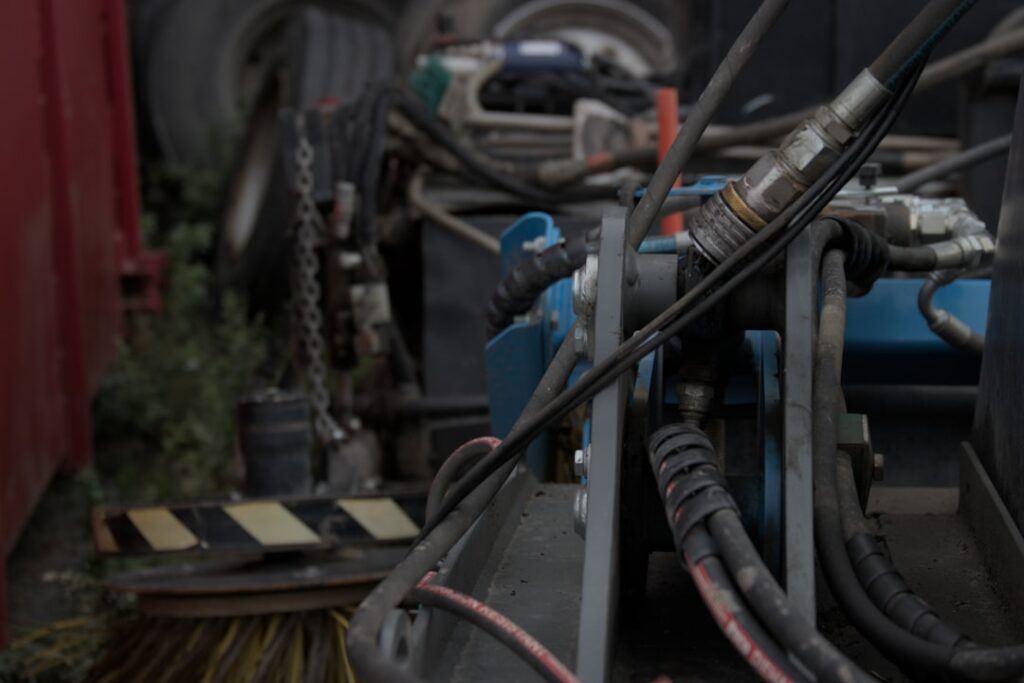
What Are Common Signs of Hydraulic Fluid Leaks?
Hydraulic systems depend on fluid to function safely and efficiently. Leaks in these systems can lead to decreased performance, equipment damage, environmental hazards, and safety risks. For homes, commercial sites, and public spaces in Islip, NY, being able to spot the early signs of a hydraulic fluid leak helps prevent larger issues and costly repairs.
A hydraulic leak is often indicated by changes in visible fluid levels, the presence of stains or puddles, inconsistent operation, unusual noises, and sometimes strong smells. Detecting these indicators quickly can make a difference, especially in a community with varying temperatures and active outdoor equipment.
What Does Hydraulic Fluid Look Like and Where Might Leaks Appear?
Hydraulic fluid typically has an oily, slick consistency, ranging from clear, amber, or light brown to greenish, red, or bluish hues, depending on the equipment and fluid type. In Islip, leaks often show up around:
- Garages and driveways where powered construction equipment or vehicle lifts are used
- Basements or outbuildings housing hydraulic jacks, log splitters, or marine lifts
- Lawnmowers, tractors, snow equipment, or marine vessels used in local yards and marinas
Leaks can occur along hoses, cylinder seals, pump connections, valves, and reservoirs. In older systems or those exposed to winter salt spray or summer heat, seals and hoses are particularly vulnerable, making regular checks important for area households.
What Are Visible Signs of a Hydraulic Leak?
The most reliable early sign is a noticeable puddle or stain under the equipment. In Islip, these oily spots may be found on paved driveways, sandy soil, or even on local boat docks. Residents may mistake hydraulic fluid for other substances, so knowing the differences can help:
- Hydraulic fluid typically feels slicker and less viscous than motor oil, and is less likely to evaporate like water.
- It often has a distinctive chemical or mineral oil odor.
- Fresh leaks may look clear or slightly yellow, while older fluid can appear darker.
If there are visible drips forming near fittings or hoses when the equipment is operating or idle, this almost always warrants a closer look.
Can Performance Issues Signal a Leak?
Yes, decreased performance is a core warning sign. In Islip, residents using snow plows, stump grinders, or marine lifts commonly notice slower operation, jerky movement, or a loss of lifting or pushing power if fluid is low. Hydraulic equipment should run smoothly; if levers have to be repeatedly pulled, pumps run longer than usual, or power seems reduced, a hidden leak could be sapping pressure from the system.
Sometimes residents dismiss these symptoms as equipment “just getting old,” but sudden changes or irregular function almost always deserve inspection.
Is Fluid Level Reduction Always Caused by Leaks?
Hydraulic fluid levels should remain fairly steady except for regular top-offs due to minor loss or system bleeding. If levels drop significantly between uses, a hidden leak is highly likely. Occasional topping off— especially after equipment sits for the winter— is normal. However, refilling more than once per season for household tools, or every few hours for frequently used machinery, suggests leakage.
In the city, it’s common to check fluid levels at season changeovers, like before the first snowfall or after spring thaw. Unexpectedly low readings outside these times can point to a slow leak.
Are Unusual Smells or Noises Also Signs of Leaks?
Sometimes, yes. Because hydraulic fluid can burn or vaporize on hot engine parts, a faint burnt oil or chemical smell may be detected near equipment after running. Persistent odors around stored vehicles or machinery may indicate drips hitting metal or hot surfaces.
Noises like whining, chirping, or “air bubbles” in the hydraulics— especially when paired with slow movement or visible fluid— also suggest that air has entered the system through a leak.
Locally, these noises are especially noticeable in older riding mowers, snow equipment, and boat lifts— systems that see infrequent but heavy use.
Can Environmental Conditions in Islip Affect Hydraulic Leak Risks?

The climate in Islip, NY—with cold winters, salty air, and humid summers—accelerates wear on hydraulic seals, hoses, and fittings. Outdoor equipment exposed to freezing and thawing cycles, or boats and lifts near the waterline, often develop minor leaks over time.
Storage tips can help reduce risk:
- Cover outdoor machinery in the off-season
- Inspect hoses and connections for softening, cracks, or rust, especially after storms or coastal flooding
- Use drip pans where vehicles or machines are parked on driveways or lawn areas
Preventing leaks is sometimes as simple as routine visual inspections between seasonal uses, something many local residents do during yardwork or boat preparations.
Are There Hidden or Easily Overlooked Leak Signs?
Not all leaks are easy to see. Here are a few scenarios that tend to be missed in the community:
- Minor dampness at the base of a hydraulic ram or piston, which may not drip but can attract dust and create a greasy buildup.
- Milky or foamy hydraulic fluid, which signals water infiltration through a light leak; common in marine settings near the bay or after heavy rains.
- Unexplained loss of power in household jacks or outdoor equipment without obvious puddles, often due to slow leaks at seals or lines behind covers or panels.
If equipment needs frequent refills without visible spills—especially during the humid summers or after a cold snap—suspect a slow or internal leak.
What Should Be Done if a Leak Is Suspected?
While minor inspections and topping off fluid are within the ability of most residents, certain leaks (especially those near high-pressure lines) can be hazardous if tampered with. When in doubt, consult instructions for specific equipment. For home or neighborhood environmental safety, always clean up spills promptly with absorbent pads and dispose of contaminated materials according to local waste management rules.
Hydraulic fluid should never be allowed to seep into nearby drains, creeks, or yards, as it poses environmental and legal risks for the community. The city occasionally provides guidance on hazardous material disposal, so checking local ordinances is recommended for larger spills.