

 See My Latest Article on HelloNation
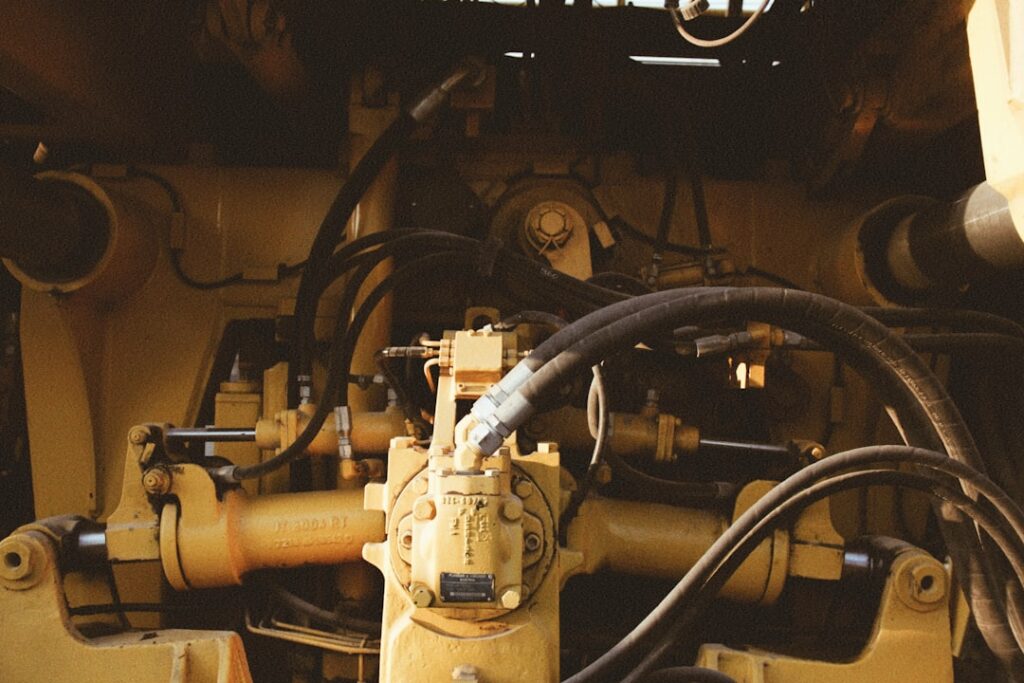
What Is Hydraulic Maintenance, and Why Does It Matter in Islip, NY?
Hydraulic maintenance involves routine inspection, cleaning, adjustment, and replacement of parts in equipment powered by hydraulic systems. For residents and property owners in Islip, NY, whether dealing with home lifts, heavy equipment, or marine applications, these systems play a critical role in daily function and local infrastructure.
With the region's seasonal temperature swings, proximity to salt air, and a mix of residential and small commercial machinery, regular upkeep becomes even more relevant. Neglecting hydraulic maintenance can lead to breakdowns, leaks, or unsafe conditions, while a thoughtful approach extends equipment life and ensures dependable performance.
How Does Regular Maintenance Prevent Expensive Repairs?
Staying ahead with scheduled checks helps catch small issues before they grow into major repairs. For example, a worn seal might lead to a gradual fluid leak—a problem that, if left unnoticed, could eventually cause component corrosion, system pressure loss, or complete equipment failure.
Key benefits include:
- Early detection of wear and hidden leaks, particularly important in climates where equipment can sit idle through cold winters or operate frequently during warmer seasons.
- Lower repair costs by replacing minor parts during routine inspections instead of waiting for major breakdowns.
- Saved time and stress by reducing unexpected downtime, especially during busy periods for landscaping, construction, or marine activities in the area.
Local residents often mistakenly assume hydraulics are "set it and forget it" systems, but simple tasks like fluid level checks and hose inspections make a substantial difference over time.
What Risks Exist Without Consistent Maintenance?
Letting inspection and service routines slide can put equipment and property at risk. In Islip, where salt air and humidity can accelerate the breakdown of seals, hoses, and internal components, deferred maintenance may result in:
- Leakage that harms nearby surfaces, soils, or water features.
- Sudden loss of hydraulic power, leaving equipment immobile or stuck during critical jobs.
- Costly clean-up or repairs if a malfunction becomes serious enough to require replacement parts, which may have extended wait times depending on the age or brand of the system.
These risks extend beyond financial costs—neglected leaks or line failures can sometimes create safety hazards, especially for equipment used around children, the elderly, or vulnerable residents.
What Does an Effective Maintenance Routine Look Like?
A straightforward hydraulic maintenance routine in Islip can be managed by most local residents for simpler systems. It often includes:
- Checking fluid levels and inspecting for signs of discoloration (which may indicate contaminant buildup).
- Inspecting hoses, lines, and connections for cracks, bulges, or wear, especially after harsh winters or storm events.
- Cleaning visible debris from around moving parts and hydraulic connections.
- Monitoring system pressure, if gauges are available, to ensure consistent operation.
- Consulting equipment manuals for any manufacturer-specific guidance tailored to the region’s typical seasonal conditions.
In more complex or safety-critical systems, such as those found in wheelchair lifts or marine applications, professional inspection and pressure testing may be advisable at least annually.
Are There Environmental or Regulatory Considerations for Hydraulic Systems in Islip?
Hydraulic fluids and machine oils are classified as pollutants if they escape into the soil, storm drains, or Long Island waterways. Area households are sometimes unaware that routine leaks or improper disposal can impact local groundwater or contribute to runoff challenges during heavy rain.
Good maintenance reduces the risk of accidental spills and makes it easier to comply with local waste disposal guidelines. For outdated equipment, checking with local waste management programs about hydraulic fluid recycling or safe disposal options further protects the community environment.
How Does Regular Maintenance Affect Equipment Longevity?

Well-maintained hydraulic systems often exceed the expected service lifespan, focusing on the following areas:
- Slowing the rate of part wear through timely lubrication and replacement.
- Keeping contaminants out, which is especially important during spring and summer when outdoor dust and debris levels are higher.
- Maintaining consistent performance, which reduces stress on other mechanical or electrical systems connected to the hydraulics.
In Islip’s climate, periods of inactivity, like long winters, can sometimes cause seals to dry out or components to corrode if not properly maintained and protected. A quick check before and after seasonal use adds years to system reliability.
What Common Myths Exist Around Hydraulic Maintenance?
Many residents believe hydraulic systems only require attention if something breaks. In reality, the costliest repairs often come from missed routine checks. Other misconceptions include:
- Assuming all hydraulic oil is the same—different systems may require specific fluids, and using the wrong type can cause damage.
- Believing new equipment doesn’t need attention. Factory-fresh machinery still benefits from early break-in checks and fluid replacements after initial operation hours.
- Expecting visible leaks to be the only problem. Many faults begin internally and aren’t obvious until system performance drops or damage occurs.
Focusing on prevention rather than waiting for symptoms is the most reliable path for area households and small operators.
How Can Residents Create an Easy Maintenance Schedule?
Creating a seasonal or usage-based log works well for many in the local community:
- Set a reminder each spring and fall—key times for equipment coming out of or going into storage.
- Record fluid changes, pressure readings, and any visual inspections, even informally, to spot developing patterns.
- For equipment used year-round, consider monthly quick-checks paired with a more thorough annual review.
This practical approach gives residents confidence that their property investments will last and perform, regardless of changing weather or workloads.