

 See My Latest Article on HelloNation
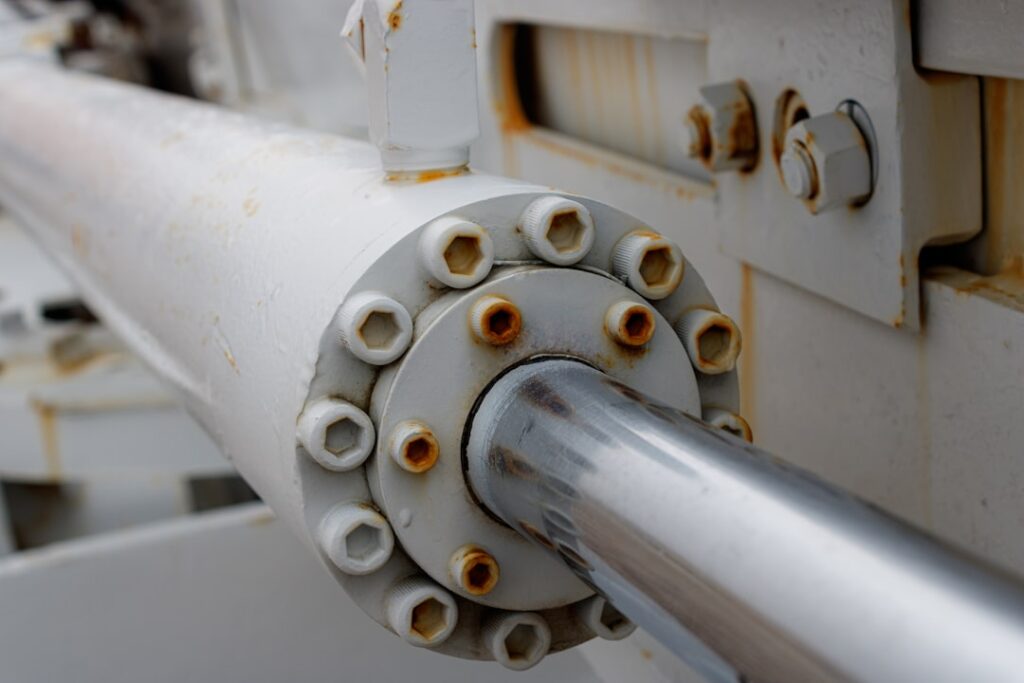
What Are Typical Signs Your Hydraulic System Needs Attention?
Hydraulic systems, whether in boats, construction equipment, or home machinery, are common in Islip, NY due to both the mix of residential properties and small businesses. The first signs of trouble are often small but can escalate if ignored. Residents usually notice changes in operation, new noises, or visible leaks. Unusual fluid puddles, loss of power, or slower equipment response often mean the system is struggling.
Common early symptoms include:
- Reduced lifting or operational power
- Slow or jerky movement in mechanisms
- Whining, banging, or hissing noises, especially during temperature shifts
- Obvious hydraulic fluid leaks around connections, hoses, or cylinders
In colder months, freezing temperatures can make hydraulic fluids thicker, sometimes masking early problems. This is important to remember during Islip’s winter and spring transitions.
How Can You Check for Hydraulic Leaks and Contamination?
The quickest indicator is a visible leak, but issues can be more subtle. Check the area beneath and around equipment for oily spots, especially after use. Examine hydraulic lines and fittings for dampness, which may signal a slow leak.
Hydraulic fluid isn’t always clear—it can look milky, gritty, or discolored. This may suggest water or debris contamination, common in the area when equipment is stored outdoors or used near salt water. Fluid that looks foamy can also signal air trapped in the lines, sometimes due to minor leaks or cracks.
Routine inspection includes:
- Feeling hoses and lines for soft spots or bulges
- Looking over seals where cylinders meet rods for sheen or dirt buildup
- Checking filter housings and reservoirs for sediment or discoloration
What Causes Loss of Hydraulic Power or Speed?
If machinery suddenly feels weak or slow, multiple issues could be involved. Often, this relates to fluid loss, internal wear, or blockages. In Islip’s coastal areas, exposure to salt air can speed up corrosion, wearing down system parts more quickly than in drier climates.
Other contributors include:
- Air in the lines, which causes spongy or inconsistent operation
- Worn or loosened pumps that can’t maintain consistent pressure
- Clogged filters restricting fluid movement, especially after winter storage
If performance dips after the system has sat unused all winter or if the fluid seems low despite regular top-ups, it’s worth inspecting for slow leaks or internal wear.
Why Do Hydraulic Systems Suddenly Make New Noises?
A healthy hydraulic system runs relatively quietly. Whining, grinding, popping, or continuous hissing can be early warnings. These noises usually stem from trouble with pumps, valves, or air bubbles.
Some common local causes:
- Abrupt temperature swings, as seen during Islip’s spring, can make seals shrink or swell, changing how tightly they fit and making noise more likely
- Salt exposure, either from marine use or de-icing roads, can corrode metal inside pumps and valves
- Deteriorating fluid—if it breaks down, air bubbles may form easily and travel with the fluid, producing “cavitation” noise

Ignoring odd sounds often leads to further damage, so it’s better to pause and investigate rather than hope they’ll go away.
Can Hydraulic Problems Come from Seasonal Factors in Islip, NY?
Absolutely. Hydraulic systems in this region may need extra care in spring after snow melts or summer when humidity rises. Summer humidity can encourage condensation inside reservoirs, possibly introducing water into the system, especially if reservoir caps are left loose.
Cold winters thicken fluid and stress seals, resulting in small leaks appearing during spring warm-ups. Equipment stored in unheated garages or outdoors may show new leaks or slower response as temperatures climb and seals flex.
During autumn, debris from falling leaves or blown-in sand can contaminate outdoor machinery. Covering and checking equipment before and after seasonal changes adds an extra layer of protection that’s helpful locally.
What About Warning Lights and Error Codes?
For modern home or small business equipment, on-board diagnostics may trigger warning lights or error messages. These shouldn’t be ignored, but many residents misinterpret them as electronics glitches.
Common mistakes include:
- Resetting electronics without checking actual fluid levels
- Assuming all error codes are just temporary
If a warning light appears after maintenance, double-check fluid caps, filter fit, and seals. Area households familiar with marine or heavy equipment often find these checks are quicker than waiting for systems to “fix themselves.”
What Risks Come from Ignoring Early Signs of Trouble?
Waiting too long to repair a hydraulic system often means minor leaks become ruptures, or small noises point to more serious part failures. For families and businesses in the area, this can mean larger repair costs or even temporary equipment loss during busy periods—like the start of boating season or after a big storm when machinery is needed most.
Hydraulic fluid spills can create slip hazards, especially on residential driveways or in marine environments. Over time, contaminated systems can also harm local groundwater if leaks are ignored and fluids are not disposed of properly.
If the situation involves high pressure, electric motors, or cannot be safely isolated, stopping use and seeking expert help is advised. Otherwise, routine inspections, timely fluid changes, and careful winterization can head off many hydraulic issues before they grow.