

 See My Latest Article on HelloNation
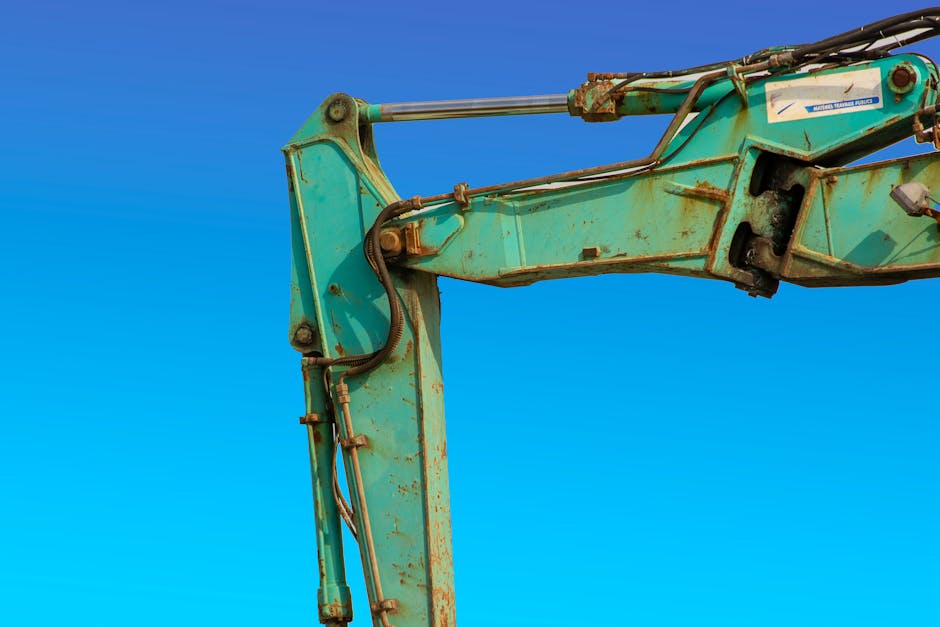
What Should Local Residents Know Before Replacing a Hydraulic Hose?
Hydraulic hoses play a crucial role in many types of equipment used around Islip, NY, from landscaping machinery to agricultural and construction tools often stored in garages or outbuildings in the area. Before attempting a DIY replacement, local residents should assess the equipment, the hose type, and the tools on hand. Most importantly, safety is essential: always relieve system pressure and consult equipment manuals. Homeowners should also be aware of disposal rules for old hydraulic hoses, as Islip regulations may not allow hydraulic fluids or contaminated components in regular household refuse.
How Can You Identify a Failing Hydraulic Hose?
Hydraulic hose failure typically presents as visible cracks, leaks, blistering, or bulging along the length. In Islip’s humid summers and cold winters, temperature extremes can speed up hose deterioration, making seasonal checks worthwhile for those who rely on hydraulic tools. Residents often spot failures when equipment performance drops, fluid pools under machinery, or during annual spring equipment checks before outdoor work ramps up.
What Tools and Replacement Hose Materials Are Needed?
For DIY replacement, gather a few essentials:
- Replacement hose with exact length, diameter, and pressure rating to match the original (using data printed on the old hose or equipment manual)
- Wrenches sized for fittings
- Hydraulic fluid compatible with your system
- Clean rags and a bucket for spilled fluid
- Protective gloves and safety glasses
In some Islip households, specialized crimping tools or hose cutters are on hand, especially for those maintaining multiple pieces of hydraulic equipment. Otherwise, pre-assembled hoses or renting crimping tools from local hardware outlets may be practical workarounds.
How Do You Safely Remove the Old Hose?
First, turn off all power to the equipment and relieve any built-up hydraulic pressure—most owners' manuals outline specific steps. In cold weather, fluid drains more slowly, so working in a heated space (like an attached garage) can improve safety. Place a bucket beneath the connection points and loosen both ends of the hose with the appropriate size wrench. Let any remaining fluid drain out, then cap or cover exposed fittings to prevent debris and moisture—especially relevant in Islip's coastal climate—from entering the hydraulic system.
What’s the Correct Method to Install a New Hydraulic Hose?
Begin by comparing the new hose with the removed one: length, diameter, and fitting type should all match precisely. Thread the hose onto fittings by hand first to avoid cross-threading, then tighten with wrenches to the manufacturer’s specifications. Overtightening can damage fittings or crush the hose. Be sure to route the hose as before, avoiding sharp bends or contact with moving parts, since high vibration is common in tools used outdoors or on uneven property around the city.
How Should You Check for Leaks and System Performance After Replacement?
After installing the new hose, refill the hydraulic reservoir with the correct fluid, and slowly power on the equipment. Keep hands and face clear from potential leak points, and use a scrap of cardboard instead of fingers to check for small leaks. Residents in Islip sometimes encounter tiny drips that appear only when the system is at full pressure. If any leaks persist, re-tighten connections as needed with the equipment powered off and pressure relieved again.
Operate the tool briefly under normal usage, watching closely for leaks or drops in performance—sometimes, air trapped inside the system makes the equipment noisy or sluggish at first. Repeat this check over the next few uses, especially after storing equipment through the colder months.
Are There Any Local Factors to Keep in Mind When Handling Hydraulic Fluids?
Islip’s local waste regulations restrict the disposal of hydraulic oils and fluids. Residents are encouraged to use the city’s scheduled hazardous household waste collection days for fluids and contaminated rags. Never pour hydraulic fluid down household drains or dispose of in regular trash, as it can harm water systems and wildlife in the Long Island region.
Additionally, due to local humidity and salt air near the coast, area residents may see more frequent corrosion on metal hose fittings. Clean up spills promptly and store replacement hoses and fluids in sealed containers, away from outdoor air and moisture.
What Are Common Mistakes to Avoid in DIY Hose Replacement?
Some common missteps local residents make include:
- Using hoses not rated for the equipment’s pressure, risking rupture
- Cross-threading metal fittings, which weakens the seal and may cause sudden leaks
- Skipping final leak tests before regular use
- Ignoring safe disposal of old hoses and fluids according to city guidelines
Understanding these common pitfalls can help area households extend the life of their hydraulic tools and ensure safety for both operators and the local environment.