

 See My Latest Article on HelloNation
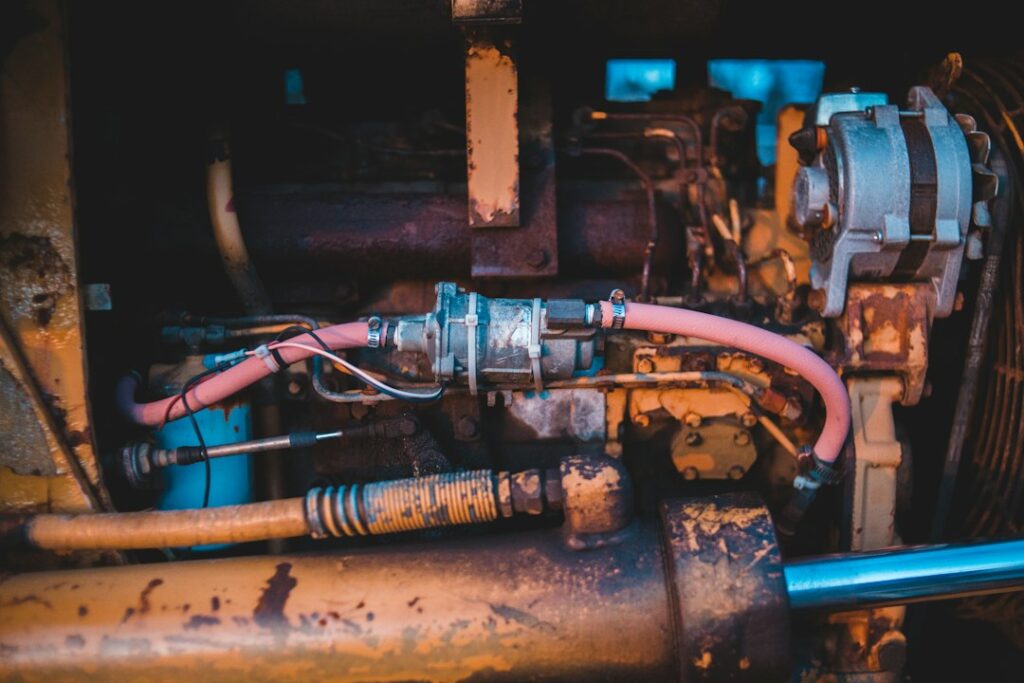
Hydraulic equipment rarely becomes noisy without a reason. A new whine, rattle, buzz, chatter, or knocking sound may point to restricted fluid flow, trapped air, low fluid level, worn components, or excessive pressure. Identifying the sound early can help prevent a minor maintenance issue from becoming pump, motor, valve, or actuator damage.
What does a normal hydraulic system sound like?
A properly operating hydraulic system usually produces a steady, moderate pump sound that changes smoothly with engine speed, motor speed, or operating load. Some systems naturally create more noise than others, especially compact equipment, older machinery, and systems with gear pumps.
The key question is not whether the equipment makes noise. It is whether the sound has changed.
Pay attention to:
- Whether the noise began suddenly or developed gradually
- Whether it occurs only during lifting, lowering, steering, or another function
- Whether the sound changes as the hydraulic oil warms
- Whether vibration, slow movement, leaks, or heat appeared at the same time
- Whether the sound comes from the pump, reservoir, valve body, hoses, or actuator
A sound that is new, worsening, or accompanied by poor performance deserves attention before the equipment is placed under a heavy load.
What does a high-pitched whine usually mean?
A high-pitched whine often indicates restricted fluid flow, excessive pressure, cavitation, or a pump operating outside its normal conditions. The location and timing of the sound help separate these possibilities.
If the whine is strongest at the pump inlet, possible causes include:
- A clogged suction strainer or inlet filter
- A collapsed, kinked, or undersized suction hose
- Low fluid in the reservoir
- Hydraulic oil that is too thick for the operating temperature
- A blocked tank breather
- A pump turning faster than intended
Cavitation occurs when the pump cannot receive enough fluid at its inlet. Small vapor pockets form and collapse inside the pump, producing a sharp, gravel-like or whining sound. Continued cavitation can damage internal surfaces and reduce pump life.
A high-pitched sound that appears mainly when a cylinder reaches the end of its stroke may instead relate to pressure relief. The system may be reaching its pressure limit, or a relief valve may be opening repeatedly. Holding a control against the end of travel for long periods can create unnecessary heat and noise.
What does a buzzing or humming sound mean?
Buzzing commonly comes from an electrically operated solenoid valve, but it can also result from vibration, loose mounting hardware, or unstable fluid flow.
A solenoid may buzz if its electrical supply is weak, the coil is loose, the plunger is dirty, or the valve spool cannot move freely. A buzzing valve may still function, but repeated operation in that condition can lead to sticking, overheating, or inconsistent movement.
If the buzzing is accompanied by a cylinder that moves in steps or hesitates, contamination or air in the hydraulic fluid may be involved. Electrical problems and hydraulic problems can sound similar, so checking only the coil may not reveal the full cause.
Loose covers, guards, brackets, and pipe clamps can also amplify ordinary pump vibration. In many cases, the source is not a failing pump but a panel or line that is acting like a speaker.
What causes rattling, knocking, or a gravel-like sound?
A rattling or gravel-like sound near the pump is a warning sign for cavitation or aeration. Aeration means air has entered the hydraulic fluid. Common sources include a loose suction fitting, damaged seal, low reservoir level, cracked inlet hose, or return flow that is splashing above the oil surface.
Aerated fluid may appear foamy or cloudy in the reservoir. The equipment may also show:
- Jerky cylinder movement
- Unstable pressure readings
- Excessive heat
- A noisy pump
- Slower or inconsistent operation
A deeper knock or mechanical rattle may indicate worn pump bearings, a damaged coupling, shaft misalignment, or internal component wear. This type of sound often changes with shaft speed and may continue even when the hydraulic controls are not being used.
Do not assume that adding fluid will solve a noisy pump. If the system is pulling air through an inlet seal or fitting, the noise may return and the pump may continue to deteriorate.
Why do hydraulic hoses and pipes vibrate?
Hose movement can be caused by pressure pulses, abrupt valve operation, loose clamps, incorrect hose routing, or air in the fluid. Some vibration is normal, but sharp pulsing or repeated contact with a frame can damage the hose cover and eventually expose the reinforcement.
Pipe chatter may occur when a valve opens and closes rapidly, when flow is too turbulent, or when a pressure relief valve cycles repeatedly. A line that taps against metal can produce a loud knocking sound even when the internal hydraulic components are functioning normally.

Inspect visible hoses and lines for:
- Rubbing, flattened sections, or kinks
- Loose clamps or missing supports
- Bulges, exposed reinforcement, or wet fittings
- Contact with hot surfaces or moving parts
- Sudden movement during operation
Never use a hand to search for a hydraulic leak. Fluid escaping through a pinhole can penetrate skin even when the leak is difficult to see.
Why can cold weather make hydraulic noise worse?
Seasonal temperature changes can affect hydraulic sound and performance. In the colder months, oil becomes more viscous and may move slowly through filters, hoses, and pump inlets. A system that sounds acceptable after warming up may whine loudly during the first few minutes of operation.
The solution is not automatically to install a thinner oil. Hydraulic fluid must match the equipment manufacturer’s specification, seal materials, operating temperature range, and system design. Using the wrong fluid can cause wear, leakage, poor lubrication, or seal damage.
Allowing equipment to warm gradually under light operation is generally safer than immediately applying maximum pressure or load. In coastal communities such as Islip, NY, seasonal dampness and temperature swings can also contribute to condensation, corrosion at fittings, and maintenance problems in equipment stored in unheated spaces.
What should be checked when a hydraulic system becomes noisy?
Begin with observations that do not require opening the system or placing hands near moving parts.
- Park the equipment on a stable surface and follow its shutdown procedure.
- Check the reservoir level using the correct inspection method.
- Look for foam, unusual discoloration, or a burnt odor in the fluid.
- Inspect accessible hoses, fittings, clamps, and guards.
- Note whether the sound occurs at startup, under load, or at the end of cylinder travel.
- Check for new leaks, excessive heat, slow movement, or vibration.
- Compare the sound with the equipment’s normal operating pattern.
Hydraulic pressure can remain stored after the engine or electric motor is switched off. A suspended load, accumulator, cylinder, or blocked line may still contain dangerous energy. Before loosening fittings, removing covers, or working near the system, the equipment must be secured, hydraulic pressure relieved according to the equipment procedure, and applicable lockout practices followed.
If the noise is accompanied by a burst hose, uncontrolled movement, smoke, severe heat, visible metal damage, or suspected pressure loss, operation should stop. Hydraulic systems can fail suddenly, and continued testing under load may increase the hazard.
Does every hydraulic noise mean the pump needs replacement?
No. A noisy pump may be affected by a blocked inlet, low oil level, air entering the suction line, cold fluid, contamination, misalignment, or an incorrectly adjusted relief valve. Replacing the pump without correcting the underlying cause can damage the replacement as well.
The most useful diagnostic information is often the pattern: what the sound resembles, when it starts, where it is loudest, whether it changes with temperature, and what other symptoms appear. Recording those details can make hydraulic troubleshooting more accurate and reduce unnecessary part replacement.