

 See My Latest Article on HelloNation
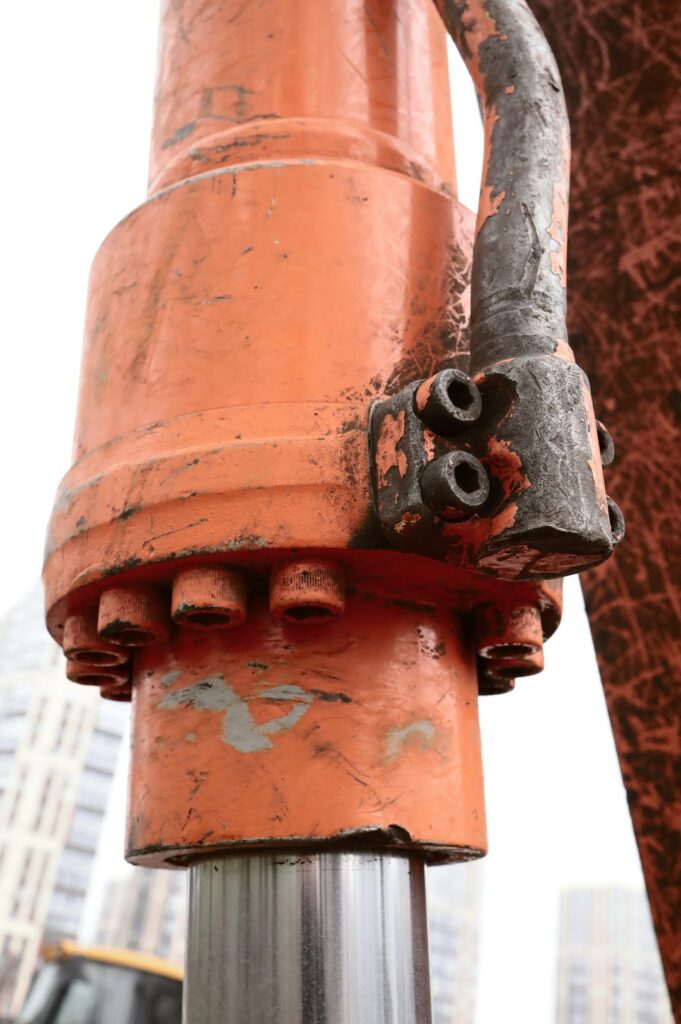
What Is a Hydraulic System?
A hydraulic system is a method for transmitting power by using a fluid, typically oil, to move or lift objects. This approach allows for force to be easily controlled and transferred in applications ranging from construction equipment to local infrastructure in Islip, NY.
Hydraulic systems operate based on simple physics. When a force is applied at one point in a system filled with fluid, that force is transferred throughout the fluid, often resulting in movement elsewhere. Because fluid cannot be compressed easily, it is very efficient at moving force from point A to point B.
Why Are Hydraulic Systems Common in Islip, NY?
Residents may notice that hydraulic technologies are frequently found in city services, such as:
- Snow plows moving blades to clear winter roads
- Bridges and flood gates operating under fluid power
- Garbage trucks using hydraulics to lift bins
Hydraulics are valued in the area for their power, reliability in varied seasonal conditions (from summer heat to winter storms), and their ability to function in outdoor environments where electronics could fail.
What Parts Make Up a Typical Hydraulic System?
Every hydraulic setup—whether in a household garage door opener or a large municipal vehicle—shares a few key components:
- Reservoir: Holds the hydraulic fluid
- Pump: Moves fluid from the reservoir into the system, creating flow
- Valves: Direct the movement and amount of fluid as needed
- Cylinders or Motors: Transform fluid power into mechanical motion (like lifting or pushing)
- Hoses and Pipes: Carry the fluid between different parts
Even a small leak or wear in any of these parts can reduce system efficiency or pose a safety risk. In the humid summers and freezing winters common locally, seals and hoses may wear faster than in milder climates.
How Does the Hydraulic System Create and Control Force?
Force in a hydraulic system is generated by the pressure created when a pump moves oil or fluid into a restricted space. The relationship between pressure, area, and force follows a simple rule: force = pressure x area.
For example, a snow plow in the city may have rams (hydraulic cylinders) that lift the blade. A small push on the hydraulic lever inside the cab is transmitted and multiplied in force at the plow through pressurized fluid, allowing heavy lifting with minimal effort.
Controlling the amount of pressure—and thereby the force—is managed with:
- Manual levers or automated switches
- Adjustable valves for fine control
Hydraulic systems can be stopped, started, sped up, or slowed down far more smoothly than many mechanical alternatives.
What Fluid Is Used in These Systems, and Why?
Most hydraulic systems around Islip use a specially formulated oil. This oil resists freezing in the winter and excessive thinning during summer heat, both of which are important in this region.
Key qualities of good hydraulic fluid include:
- Lubrication to prevent wear
- Resistance to foaming
- Stability across temperature swings
Using the incorrect fluid or allowing contamination (like water from local humidity) can lead to system damage. Some residents mistakenly believe car oil can substitute, but it rarely offers the right balance of properties for outdoor or industrial hydraulics.
What Are Signs of Hydraulic Problems Residents Might See?
Hydraulic systems are robust, but local residents may notice issues such as:
- Slow or jerky operation of lifts, doors, or heavy equipment
- Unusual noises, such as whining, popping, or grinding
- Visible leaks or unexplained drops in fluid levels
- A burning smell, which could indicate overheated oil

Seasonal temperature shifts in Islip may cause hydraulic fluid to become too viscous in winter or too thin in summer, exaggerating small leaks or wear.
Many problems begin gradually, often with changes in performance rather than outright failure, so early detection is possible with regular observation.
Are Hydraulic Systems Dangerous to Work With?
Hydraulic equipment is powerful, and working on it can be hazardous. Pressurized fluid can escape with great force, sometimes causing serious injury. Even apparently small leaks can release fluid under high pressure, so simply tightening a fitting without proper procedure is not always safe.
Residents attempting basic checks—such as monitoring fluid level or inspecting exterior hoses for obvious damage—with machinery shut off and pressure released face little risk. However, more advanced repairs and all procedures involving pressurized lines or internal parts should be left to individuals with appropriate safety knowledge.
How Do Seasonal Factors Affect Hydraulics in the Local Area?
In Islip, seasons strongly affect the function and longevity of hydraulic systems:
- Winter: Cold temperatures thicken hydraulic oil, causing sluggish starts and increasing stress on seals. Pre-warming equipment or using cold-weather oil is sometimes needed.
- Spring & Fall: Frequent temperature swings can cause condensation inside systems, sometimes leading to water contamination.
- Summer: High humidity and heat can thin out poorly formulated hydraulic fluids and accelerate aging of flexible hoses.
As many city vehicles and outdoor machines rely on hydraulic systems year-round, area households should remember that preventive maintenance schedules may need adjustment to account for these seasonal changes.
What Maintenance Can Residents Safely Perform?
While complex repairs are best left to trained specialists, area households can help ensure system reliability by:
- Checking fluid levels regularly and topping off with manufacturer-recommended hydraulic oil
- Keeping the area around fill ports clean to avoid introducing dirt or debris
- Inspecting visible hoses and fittings for signs of wear, rust, or leaks
- Making note of unusual noises, smells, or changes in motion and keeping equipment records
Promptly cleaning up any spilled hydraulic fluid is also crucial, as it can be slippery and may damage certain driveway or lawn surfaces.
Common Myths and Misunderstandings
Local residents sometimes believe all oils are interchangeable or that hydraulic systems can operate indefinitely without attention. In reality, using the wrong fluid or ignoring minor leaks often leads to costlier repairs or unexpected downtime, especially under the varied conditions in this part of New York.
Understanding the basics—what hydraulic systems do, how they work, and how the local climate affects them—empowers everyone in the community to use and maintain them more safely and effectively.