

 See My Latest Article on HelloNation
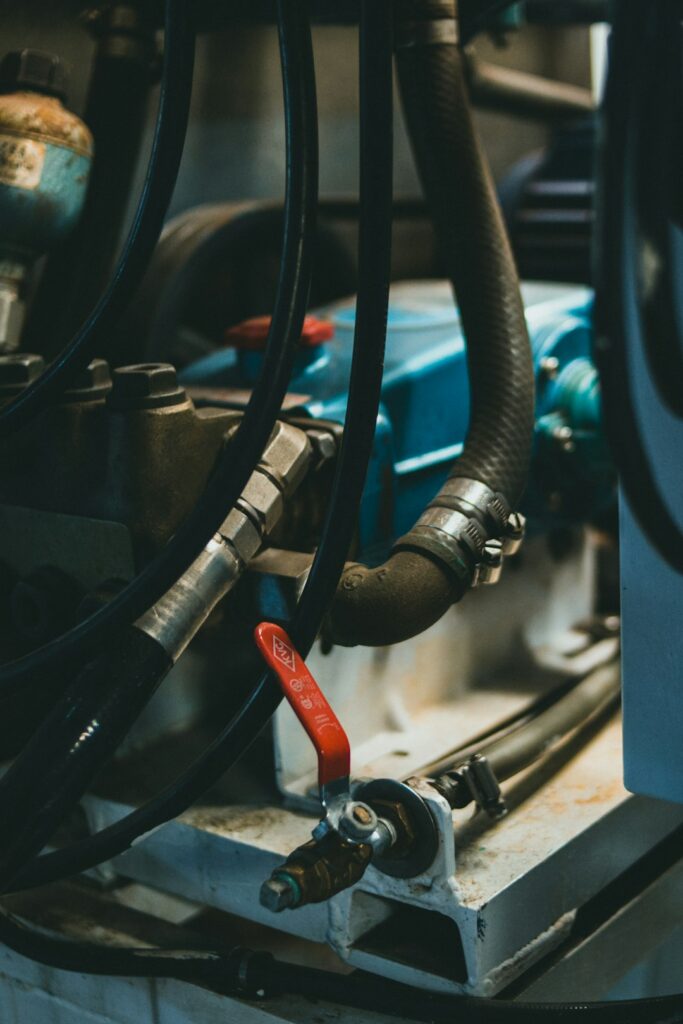
Why Is Hydraulic Fluid Level Matters for Equipment in Islip, NY?
Proper hydraulic fluid levels are essential for safe and reliable performance of machinery and systems in the area. Residents in Islip often use hydraulics in home garages, marine applications, and landscaping equipment due to the local climate and seasonal demands. Not checking fluid levels can lead to poor operation, damage, or even failure of equipment—issues that are both inconvenient and potentially costly for area households.
How Frequently Should Hydraulic Fluid Levels Be Checked?
Checking intervals depend on equipment type and usage, but a general guideline in a place like Islip, where temperature and humidity can fluctuate, is to inspect fluid monthly or before any extended period of use. For gear stored over the winter, a check at the start of spring helps ensure everything is ready for the busy seasons.
What Tools and Safety Steps Are Needed?
Residents should have basic safety items on hand:
- Clean rags or towels
- The manufacturer’s manual for reference
- Nitrile or rubber gloves (especially important when working in home garages or near landscaping soil)
- A flashlight to see levels in dimly lit garages or sheds
Always ensure equipment is off and cooled down before opening reservoirs. Hydraulic fluid under pressure or at high temperature poses a risk that’s best not underestimated in any environment.
What Is the Proper Method for Checking Fluid Levels?
Start by locating the hydraulic reservoir—typically marked on equipment like log splitters, boat lifts, tractors, or power steering systems. For systems found in Islip homes or boats, this might be under a metal cap or screw-on lid.
Here’s the core process:
1. Set hydraulic equipment on a level surface; uneven ground can distort readings, which is a common issue after storms or freeze-thaw cycles common in the city.
2. Wipe outside the reservoir cap to prevent dirt from entering the system.
3. Slowly open the reservoir.
4. Use the built-in dipstick or sight glass to check the fluid level, referencing the “FULL” or “MAX” mark indicated in your manual.
5. If the level is below recommended, add the specified fluid type—never mix different hydraulic fluids without checking for compatibility, as some boat lift or garden equipment systems in Islip use unique blends.
6. Secure the cap and wipe up any drips.
What Should the Fluid Look Like?
Hydraulic fluid in good condition is typically clear or amber and free from particles. In Islip, damp storage or exposure to sea air may lead to water contamination, turning the fluid milky or discolored. Residents sometimes overlook this sign, assuming outdoor storage is always safe.
Common warning signs:
- Cloudy or milky fluid (water contamination is possible in local marine or dockside equipment)
- Dark fluid or a burnt smell (overheating after heavy use in summer or dry spells)
- Visible metal particles (possible wear or corrosion from winter storage)
If any of these signs appear, further inspection or fluid replacement may be needed.
Are There Local Conditions in Islip That Affect Checks?
Yes, seasonal shifts in the city, such as freezing winters and humid summers, can impact fluid performance and evaporative loss. Condensation from spring thaws is another concern—especially for recreational boat owners and those with lawn equipment stored in detached garages. It’s wise to check more frequently after wet weather or sudden temperature changes.

Residents should also consider the possibility of rodents or insects nesting in rarely used sheds, as foreign material in reservoirs can lead to blockages or leaks.
Common Missteps and How to Avoid Them
Some of the more frequent mistakes local residents make include:
- Checking fluid while equipment is running or still hot, increasing the risk of spray or burns.
- Overfilling reservoirs, which can cause leaks or pressure issues.
- Neglecting to clean the area around the cap, which introduces dirt and accelerates wear in urban or sandy parts of the community.
- Misreading the dipstick because the equipment isn’t perfectly level.
Taking an extra minute to follow the correct procedure helps prevent costly problems in the long run.
What If Hydraulic Fluid Is Low?
If the level is consistently dropping, look for leaks around hoses, fittings, and seals. In houses with driveways or garages, check beneath stored equipment for oily patches, especially after heavy rain or thaw cycles. Fixing leaks promptly reduces the risk of environmental spills and damage to paved surfaces common in local neighborhoods. While routine topping up is normal for some older systems, persistent loss may indicate an underlying problem.
How Do I Know Which Fluid to Use?
Hydraulic systems can be sensitive to fluid types—using the wrong product can cause foaming, sluggish performance, or even breakdown. Always consult the equipment’s manual or labeling. For those unsure, referencing the make and model in the manual is key, as choices may vary between common outdoor power implements used in the city and marine gear at area docks.
Final Tips for Residents
Storing hydraulic fluid in tightly sealed containers, away from direct sunlight and humidity, extends its life and reliability for all types of household equipment. Make fluid checks part of a seasonal routine—paired with oil changes or pre-season tune-ups. This simple preventative habit can keep Islip’s gardens, boats, and driveways running smoothly all year.