

 See My Latest Article on HelloNation
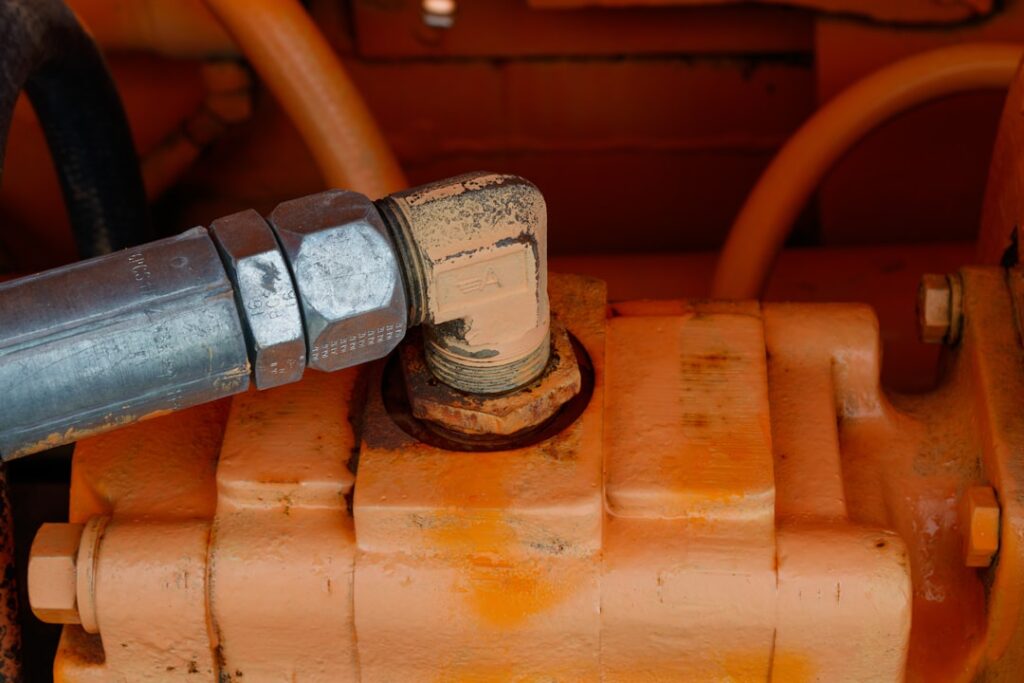
What Causes Hydraulic Cylinders to Fail?
Hydraulic cylinder failure is typically a result of issues related to internal wear, contamination, excessive pressure, or environmental factors. Problems often develop gradually but can lead to major equipment downtime if not recognized early, especially in the variable climate and working conditions found in Islip, NY.
How Do Leaks Develop in Hydraulic Cylinders?
Leaks are a leading cause of cylinder trouble, usually starting with worn or damaged seals. In the city, temperature swings from humid summers to freezing winters can cause seals to expand, contract, and degrade faster than in areas with milder climates. Common sources of leaks include:
- Hardened or cracked rubber seals due to cold snaps
- Improper fitting or installation during earlier repairs
- Minor nicks in rods from sand, salt, or grit common near waterways and construction sites
Even slow leaks can compromise pressure, making equipment sluggish or unresponsive.
Can Contaminants Really Damage a Hydraulic Cylinder?
Yes, contamination is one of the most overlooked threats. Dirt, water, or tiny metal shavings introduced into hydraulic fluid can quickly scratch and abrade internal surfaces. In Islip, where outdoor equipment is exposed to everything from coastal winds to muddy job sites, fluid contamination is particularly common. Residents might not realize how easy it is for:
- Rainwater, condensation, or humidity to seep past loose fill caps or exposed fittings
- Sand and grit from yards or public spaces to slip past damaged seals
- Rust forming on unused cylinders over damp winters
Keeping hydraulic systems clean and inspecting for signs of cloudiness or grit in the fluid can help prevent these issues.
How Does Pressure Impact Hydraulic Cylinder Lifespan?
Operating cylinders above their rated pressure—sometimes by accident during heavy lifting or with overloaded machinery—can cause immediate seal blowouts or create hairline cracks in the barrel or rod. In residential settings, pressure surges can occur if a valve sticks or a hose kinks, suddenly forcing high loads on an old cylinder.
Area residents sometimes increase operating pressure to “get a job done faster,” especially in landscaping, DIY, or marine applications. This may provide a short-term boost but greatly increases the risk of component stress and sudden cylinder failure.
Can Poor Maintenance or Misuse Cause Problems?
Regular inspection and proper use of hydraulics are key to long service life. A lack of routine checks can lead to overlooked leaks, ignored noises, or unnoticed loss of responsiveness. In Islip, where seasonal use of equipment like snowplows or boat lifts means long periods of storage, dry seals or minor surface rust can develop into bigger problems if ignored.
Misuse is another factor; for example:
- Extending cylinders beyond their designed limit (over-stroking)
- Using inappropriate hydraulic oils, especially in changing temperatures
- Applying side loads instead of straight push/pull, bending rods or causing uneven wear

Residents who store equipment for a season sometimes forget to cycle fluid or lubricate moving parts, making these issues more likely at the next startup.
Is Cylinder Damage Always Visible?
Not always. Some failures begin internally—such as a bent piston rod or chipped seal—so the first sign might be a loss of power, slower operation, or irregular movement. A common misconception is that hydraulic issues are always marked by visible oil leaks or external damage. In fact, internal scoring, ignored for months, can destroy a cylinder long before an obvious leak develops.
Locally, small visual cues might include a sheen of oil on a rod, slight warping, or tiny bubbles in hydraulic lines, all easily missed during fast-paced seasonal projects or when equipment is quickly put away after use.
What Role Does Age or Repeated Use Play?
Over time, all hydraulic components experience fatigue. In Islip, where certain machinery only sees seasonal use, cylinders might last for many years, but periods of inactivity can harden seals or allow internal corrosion. Conversely, cylinders used frequently—such as those in landscaping or marine equipment—are subject to gradual thinning of cylinder walls and wear on moving parts.
Repeated cycles of freezing and thawing during winter, combined with salt exposure near local roadways or the coast, can accelerate material degradation. Residents may be surprised how quickly even lightly-used cylinders develop issues if exposed to these local conditions without periodic care.
Are Certain Errors Easy to Prevent?
Many common causes of failure stem from avoidable mistakes. To reduce risk, area households can:
- Store equipment inside or cover exposed hydraulic parts when not in use, especially in winter
- Check and replace hydraulic fluid as recommended, watching for cloudiness or sludge
- Keep rods clean from debris after using them in sandy, muddy, or salty environments
Understanding the relationship between the local climate, maintenance habits, and equipment use can help residents avoid most unexpected failures.