

 See My Latest Article on HelloNation
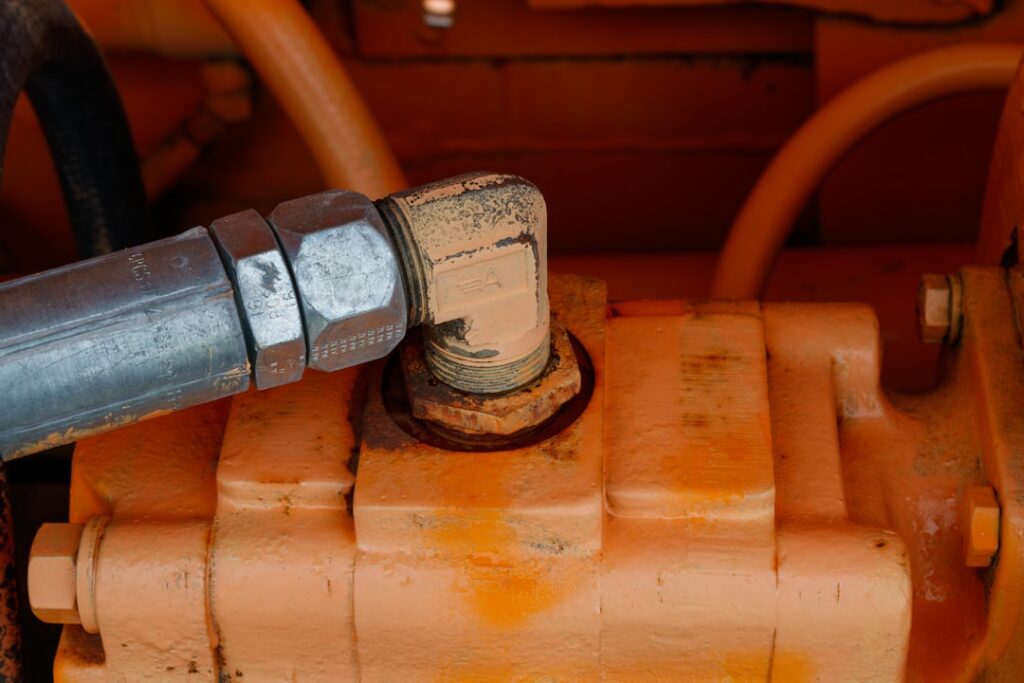
Why Hydraulic Systems Overheat
Hydraulic systems can overheat when they can’t dissipate as much heat as they generate. Most commonly, this happens because of high workloads, hot summer weather in the Islip area, or inadequate cooling and maintenance. Overheating often leads to decreased performance and, if ignored, permanent damage to components.
For local residents, it’s helpful to remember that summer humidity, salt air near the coast, and frequent cycles in home or landscaping equipment can make overheating more likely during certain periods.
What Should You Do First If a Hydraulic System Overheats?
If a hydraulic system suddenly feels hotter than normal or a warning gauge shows overheating, the safest first step is to shut down the equipment. This prevents further damage while you determine the cause. Touching or opening components before they cool can lead to burns or worsen the issue, so always allow the machine to reach a safe temperature.
After a safe shut-down:
- Let the system cool fully before inspecting.
- Check visible reservoirs, hoses, and fittings for leaks, unusual noises, or discoloration.
- Note ambient conditions—very hot days in the city may slow cooling, so allow extra time.
How Can You Identify the Source of Overheating?
Overheating may have one obvious cause, or several smaller problems can add up. Locating the source involves methodically checking key areas:
- Fluid Levels and Quality: Low or dirty hydraulic fluid is a leading reason for excess heat. In Islip, contamination from seasonal yard debris, salt exposure, or local dust can speed up fluid degradation. Make sure fluid levels are correct, and fluid isn’t dark, foamy, or smelling burnt.
- Condition of Filters: Clogged filters restrict flow and cause pumps to work harder, generating extra heat. Frequent filter changes are especially needed in environments with airborne particles.
- Cooling System Performance: Many home and landscaping hydraulic systems rely on air-cooled heat exchangers. Blockage from grass, leaves, or local pollen is common and should be cleaned away with each season.
- System Settings: Check for incorrect pressure settings, since running above the design limits will quickly raise temperatures.
If these checks do not reveal the problem, deeper mechanical or internal wear may be involved.
Are There Risks to Continuing to Use an Overheated Hydraulic System?
Yes—using a hydraulic system while it is overheating can quickly lead to extensive damage. Seals and hoses may become brittle or fail, and metal parts can warp. In some cases, fire risks or sudden equipment failure increase substantially. Local residents storing machinery in small outbuildings or garages should pay particular attention, since high indoor temperatures can increase these dangers.
When in doubt, avoid using hydraulic equipment until the problem has been addressed and the cause of overheating is understood.
What Can Be Done to Prevent Future Hydraulic System Overheating?
Prevention relies on regular inspection, maintenance, and adapting use to local conditions:
- Follow a maintenance schedule suited to seasonal patterns—spring pollen, summer heat, and fall debris in Islip can all tax filters and cooling fins.
- Keep storage locations ventilated, especially during heat waves or humid spells that trap warmth.
- Routinely check hoses and fittings for leaks, since even small drips can reduce fluid levels and increase friction.
- Use the proper type of hydraulic fluid recommended for each system; using the wrong viscosity can stress the components, particularly in changing local temperatures.

Proactive care is more effective than emergency fixes and helps prolong equipment life.
What Are Common Misconceptions About Hydraulic System Overheating?
A frequent misconception is that only old or poorly maintained systems overheat. In fact, hydraulic equipment in good condition can still develop overheating issues—especially in busy households, during outdoor projects, or with fluctuating seasonal use typical in the community.
Another mistaken belief is that topping off fluid alone will fix the problem. While running low on fluid is a risk factor, overheating typically involves other causes, like restricted airflow or clogged components.
Finally, many assume that using a fan or opening a window is always enough for cooling. However, local climate conditions—particularly on humid summer days—may make extra steps, like thorough cleaning or relocating equipment, necessary.
When Is It Unsafe to Attempt Repairs Yourself?
Most overheating episodes can be investigated with simple safety steps by area residents. However, if you observe:
- Fluid spraying or pooling that can’t be controlled
- Burnt smells or smoke
- Loud noises during operation after attempted fixes
- Damaged electrical connections
immediately stop using the equipment. High-pressure fluid leaks and electrical faults can pose real hazards, and specialized training or safety procedures may be required.