

 See My Latest Article on HelloNation
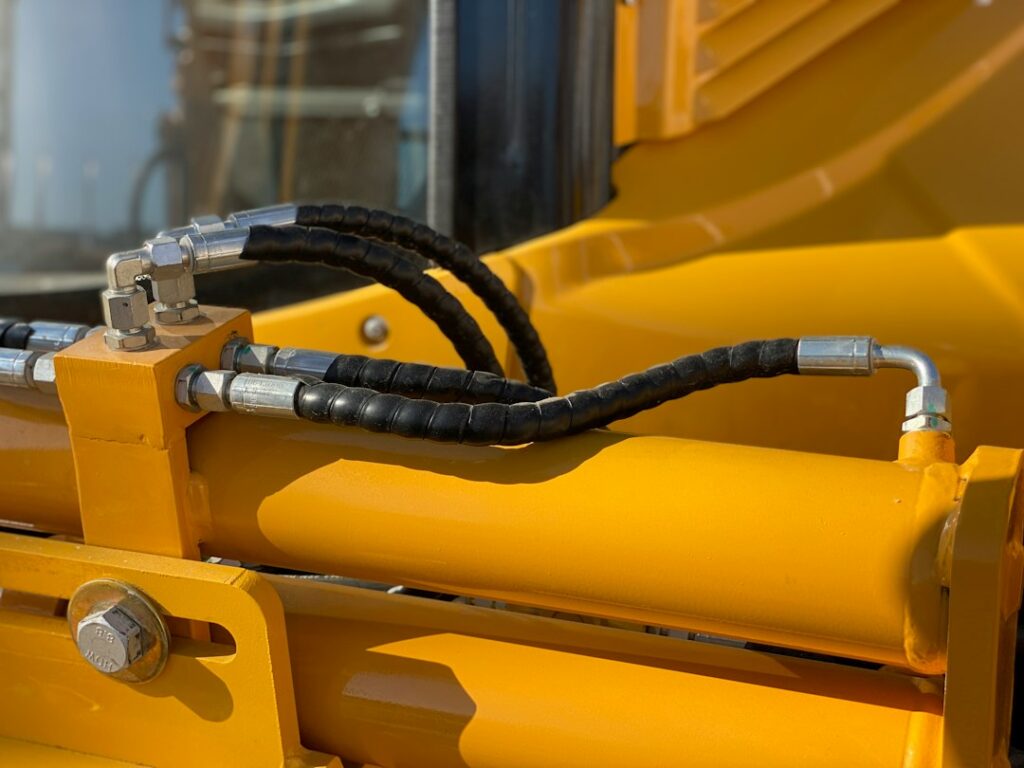
Hydraulic hoses rarely fail without warning. Small changes such as surface cracking, damp fittings, stiffness, or unusual movement can indicate that a hose is becoming unsafe before it bursts. For residents in Islip, NY, seasonal temperature changes, coastal moisture, road salt, and outdoor storage can all affect hose condition.
How can you tell that a hydraulic hose needs replacement?
A hydraulic hose should be replaced when its pressure-carrying structure is damaged, its fittings are compromised, or its condition can no longer be trusted. The most dependable warning signs include:
- Blisters, bubbles, or bulges in the outer cover
- Cracks, cuts, abrasions, or exposed reinforcement wire
- Oil appearing through the hose wall
- Wetness around a fitting, crimp, or connection
- A hose that has become unusually hard, brittle, soft, or swollen
- Kinks, flattened sections, twisting, or permanent distortion
- Corrosion on fittings or visible damage to the coupling
- Sudden changes in equipment speed, force, or smoothness
A hose does not have to be visibly split to be unsafe. Internal reinforcement can weaken while the outside still appears usable. A small blister may indicate that pressurized fluid has entered the hose layers, which is a serious failure warning.
Should a leaking hydraulic hose always be replaced?
In most cases, yes. Tightening a fitting may correct a connection leak, but it will not repair a hose that is cracked, punctured, swollen, or damaged internally. Wrapping a damaged section with tape, rubber, or another temporary material is not a safe repair because hydraulic pressure can force fluid through weak areas unexpectedly.
The source of the leak should still be identified before replacing parts. Fluid may be coming from:
- A loose connection
- A damaged O-ring or seal
- A cracked fitting
- A hose that has failed near the crimp
- A nearby component allowing oil to run along the hose
Hydraulic oil escaping through a pinhole can form a nearly invisible high-pressure jet. Never search for a leak with bare hands. A piece of cardboard or stiff paper can help identify the general location while keeping skin away from the suspected area. The equipment should be shut down, pressure relieved, and stored energy controlled before any hose is removed.
How often should hydraulic hoses be replaced?
There is no single replacement interval that fits every machine. Service life depends on pressure, temperature, hose movement, fluid compatibility, routing, sunlight, contamination, and maintenance history.
A hose used occasionally at moderate pressure may last many years. Another hose exposed to heat, constant flexing, sharp bends, or outdoor weather may become unsafe much sooner. Calendar age is useful for inspection planning, but it should not be the only replacement rule.
A practical approach is to:
- Inspect hoses before regular seasonal use
- Check equipment that has been stored for long periods
- Examine hoses after unusual pressure spikes or mechanical impacts
- Record installation dates when new hoses are fitted
- Replace hoses with unknown history if their condition is questionable
Some manufacturers publish service-life guidance or inspection schedules. Those instructions should take priority over general advice, especially for lifting equipment, compact machinery, marine systems, and systems operating near their maximum pressure.
What does age do to a hydraulic hose?
Rubber and synthetic hose materials gradually lose flexibility. Heat, oxygen, ultraviolet light, moisture, and chemical exposure can cause the tube and outer cover to harden or crack. A hose may look acceptable while becoming less able to tolerate bending and pressure pulses.
Older hoses often show a combination of symptoms rather than one obvious defect. For example, the outer cover may feel stiff, the hose may resist normal movement, and small cracks may appear when it bends. A hose that has been stored in direct sunlight or near a hot engine can age faster than one protected in a clean, cool area.
Age also affects fittings and clamps. Metal components can corrode, while repeated vibration can loosen connections or wear mounting points. Replacing only the rubber portion may not solve the problem if the coupling or routing caused the original failure.
What local conditions can shorten hose life?
Outdoor conditions in Islip can create several stressors for hydraulic equipment. Cold weather may make a hose less flexible during startup, while summer heat can raise fluid temperature and accelerate material aging. Coastal moisture and salt exposure can contribute to corrosion on fittings and equipment frames.
Common local situations that deserve extra attention include:
- Equipment stored outside under partial cover
- Seasonal machinery used heavily during short periods
- Hydraulic components exposed to road spray or salt
- Hoses routed near hot engines, exhaust systems, or outdoor heaters
- Machinery kept in damp sheds, garages, or unheated storage areas
- Equipment moved between cold outdoor conditions and warm enclosed spaces

A cover can protect against sunlight and rain, but it may also trap condensation if ventilation is poor. Clean, dry storage with protection from direct ultraviolet exposure is generally better than tightly wrapping wet equipment.
Can a hydraulic hose be repaired instead of replaced?
A damaged hose assembly is generally replaced rather than patched. Proper repair requires a hose and coupling combination rated for the system’s working pressure, temperature, fluid, and movement. The replacement must also match the required inside diameter, connection type, bend radius, and length.
Using a hose with the wrong pressure rating can create a dangerous failure. So can substituting an incompatible fluid-resistant material or forcing a connection that does not match the original thread or sealing method.
Some hydraulic components can be rebuilt, but that does not mean a visibly damaged hose should be reused. Reusable fittings, field-attachable ends, and permanent crimped assemblies each have specific applications. The equipment manufacturer’s specifications are the safest reference when the correct replacement is uncertain.
What should be checked after replacing a hose?
The replacement should be inspected for more than leaks. A properly installed hose should have enough length for normal movement without sagging into a pinch point. It should not be twisted, stretched tight, bent below its minimum radius, or rubbing against a sharp edge.
Check that:
- The hose follows the original routing or an improved protected route
- Clamps do not crush the hose
- Moving joints have adequate clearance through their full range
- Fittings are aligned rather than forced into position
- The hose does not contact hot surfaces
- Protective sleeves or guards are used where abrasion is likely
- The system is tested at a safe distance after pressure is restored
After the first operating cycle, inspect the connections again. A new leak, hose movement, or unusual vibration may indicate an installation or underlying equipment problem rather than a defective replacement hose.
When should operation stop immediately?
Stop using the equipment if a hose is spraying fluid, bulging, badly abraded, separating at a fitting, or interfering with a moving mechanism. Operation should also stop if a hydraulic function becomes erratic or if a load, arm, platform, or attachment can drift unexpectedly.
High-pressure hydraulic oil can penetrate skin and cause a medical emergency even when the puncture appears minor. Any suspected injection injury requires immediate medical attention. Do not delay care because the wound looks small.
A hose replacement is not only a maintenance decision. It is also a pressure, stored-energy, and fluid-exposure issue. Careful inspection and early replacement are usually safer than waiting for a visible burst or sudden loss of control.