

 See My Latest Article on HelloNation
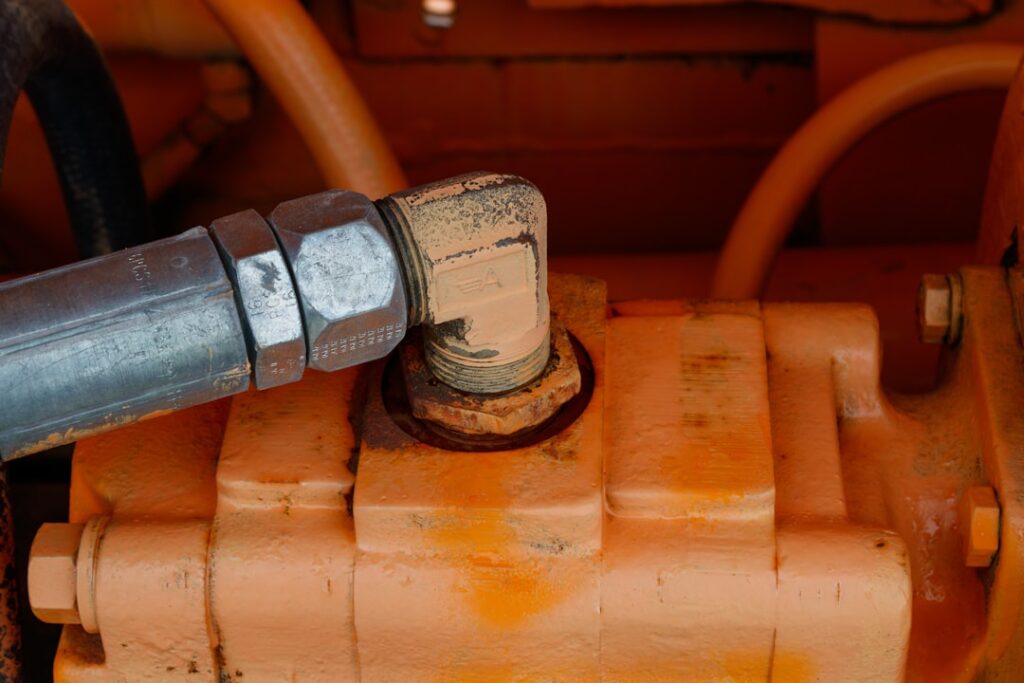
What Does Contamination Mean in a Hydraulic System?
Contamination in a hydraulic system means any unwanted substance—such as dirt, water, metal shavings, or even air—gets into the fluid and disrupts how the system works. This can quickly cause costly breakdowns and safety risks for machinery used in both homes and workplaces throughout Islip, NY. Staying informed about how contaminants enter a system and how to control them can make a big difference in the reliability and lifespan of equipment.
Why Is Preventing Contamination Important Locally?
In the local climate, with shifts from cold, damp winters to humid summers, hydraulic fluids can be particularly susceptible to condensation and dust. Local homes and businesses often use compact machinery in garages, workshops, or construction sites where moisture, leaves, sand, and road salt are ever-present risks. Preventing contamination here isn’t just about machine health—it helps avoid sudden equipment failures that can disrupt projects or everyday tasks.
How Do Contaminants Enter Hydraulic Systems?
Contamination often starts with small oversights. Equipment in the area frequently faces:
- Opening reservoir caps in dusty spaces, especially on windy days
- Storing hydraulic hoses and parts in damp basements or garages
- Reusing containers that look clean but still hold tiny debris or water
- Accidentally dropping tools or hardware onto exposed hydraulic parts
- Using new hydraulic fluid from open or unsealed containers
Even something as basic as handling parts with wet or dirty gloves can introduce unexpected particles.
What Are the Most Overlooked Sources of Water Contamination?
Because the region experiences regular humidity, water contamination is a year-round concern. Many residents overlook:
- Condensation forming inside tanks and reservoirs during seasonal temperature swings
- Equipment left outdoors or under makeshift coverings after rain or snow
- Using rags or funnels that aren't fully dry
These actions make it easy for small amounts of water to get into the system—enough to rust internal components or reduce fluid effectiveness.
What Everyday Habits Help Prevent Contamination?
Small, steady habits are usually more effective than major one-time fixes. Residents in Islip can reduce problems with these practical steps:
- Always wipe off fill caps, ports, and hoses before opening or attaching them
- Store hydraulic fluid in sealed, labeled containers off the floor and out of direct sunlight
- Use dedicated funnels and rags only for hydraulic work, and wash or replace them frequently
- Plug or cap all hoses, tubes, and fittings during repairs or when moving equipment
- Inspect fluid regularly for changes in color, cloudiness, or debris
These actions help keep out both solid particles and moisture, supporting longer equipment life.
Are Fluid Filters Enough to Protect My System?
Many assume that built-in filters will catch everything. While filtration is vital, filters can only do so much if contaminants are allowed into the system openly or repeatedly. Filters need regular checks and replacement—especially after heavy use or if fluid appears dirty. Trusting filters alone without regular inspection is a common mistake that shortens the lifespan of pumps, valves, and seals.
How Can Weather and Seasonal Changes Affect Hydraulic Systems in Islip?
Winter brings challenges like condensation due to freezing and thawing, while summer dust and wind can increase airborne debris. Steps to mitigate seasonal risks include:
- Keeping equipment indoors or under well-fitted covers when not in use
- Draining and refilling hydraulic fluid before or after seasonal shutdowns
- Using breathable desiccant breathers on tanks to trap moisture from entering with air

Preparing for these changes means fewer surprises and less unplanned downtime.
What Are Signs That Contamination Might Already Be a Problem?
A hydraulic system may show telltale signs if contamination has crept in:
- Sluggish or jerky movement during operation
- Unusual noises like whining or grinding from pumps and valves
- Visible sludge or foam in the reservoir
- Ongoing need to top off fluid more often than expected
If any of these symptoms appear, it's wise to inspect the system thoroughly and consider a complete fluid change.
Is My Home Workshop or Driveway a Riskier Setting?
Workshops and driveways bring unique risks because they’re often not as controlled as factory floors. Sawdust, grass clippings, concrete dust, and pollen can all find their way into open systems. Parking equipment with exposed hydraulic lines on gravel or soil increases the chance of introducing grit. Whenever possible, perform maintenance on a clean, hard surface and keep parts covered throughout the process.
What Should I Avoid When Maintaining My Hydraulic Equipment?
While it can be tempting to fix equipment quickly, skipping basic cleanliness steps almost always leads to bigger issues. Avoid these common missteps:
- Topping off old fluid without draining or cleaning the reservoir
- Using old or unmarked containers for storing hydraulic oil
- Leaving fill ports open for extended periods during repair
- Rushing assembly or skipping a final wipe-down of tools and parts
Quick fixes might save time in the moment but lead to larger repair needs or lost equipment in the future.
How Can I Tell If My Fluid Is Contaminated?
A simple jar test can help—take a small fluid sample in a clear container and let it settle. If you see separate layers, cloudiness, floating bits, or a milky appearance, there's likely water or other contamination present. Local residents have also found that holding a sample up to natural daylight can reveal particles or color changes not obvious under shop lights.
What Local Safety or Environmental Guidelines Should Be Considered?
In this community, proper fluid disposal and minimizing environmental impact matter. Used fluid should never be dumped down drains, onto soil, or in household trash. Area recycling centers and hazardous waste collection days offer safe disposal options. Ensuring systems stay clean not only prevents machinery issues but protects neighborhood waterways and soil from contamination.