

 See My Latest Article on HelloNation
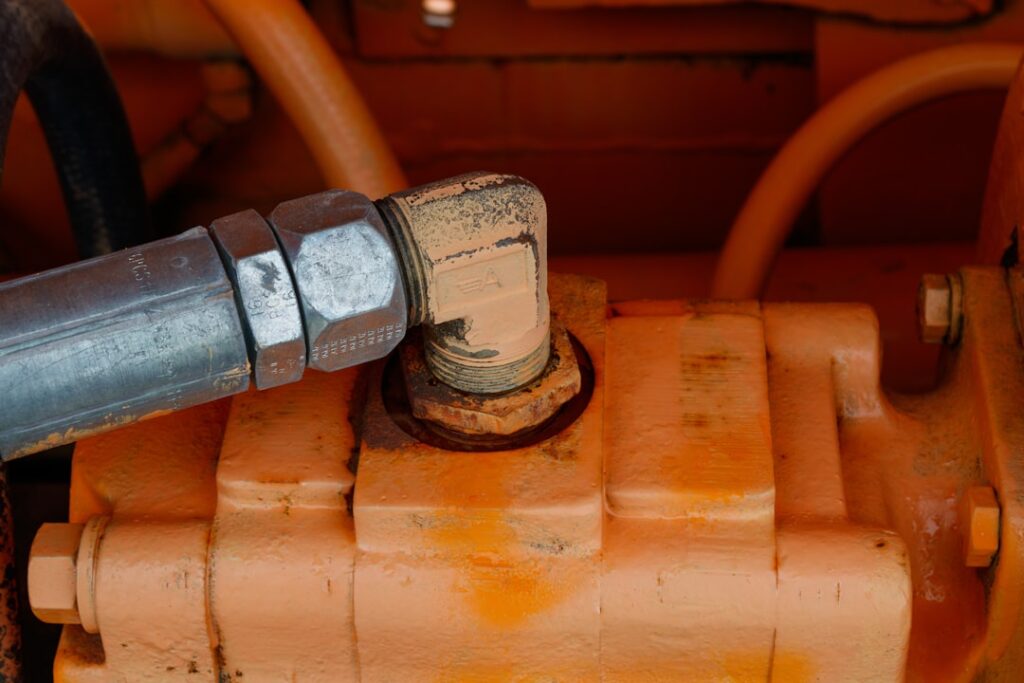
What Causes Hydraulic Pressure Loss?
Loss of pressure in a hydraulic system often signals a problem with fluid flow, component integrity, or system settings. For residents in Islip, NY, where seasonal temperature swings and coastal humidity can stress home equipment, both mechanical wear and environmental factors may contribute. Pressure issues can affect farm machinery, home lifts, and utility equipment commonly found in the area.
How Can You Identify a Decline in Hydraulic Pressure?
A sudden slowdown, weak operation, or failure of machinery to move as expected is usually the first sign. Local equipment—whether it's a residential elevator or a boat lift—may seem sluggish or make irregular noises. Many systems have pressure gauges to monitor, but lack of visible leaks can make diagnosis tricky.
Could Fluid Levels or Quality Be to Blame?
Yes, insufficient or degraded hydraulic fluid is a frequent culprit. Low levels from evaporation in summer heat, or watery fluid from cold condensation, can both lead to reduced pressure.
- Always check fluid reservoirs, especially after the winter thaw or before heavy summer use.
- Look out for milky or dark fluid—a sign it's contaminated and no longer effective.
- Using the recommended type of hydraulic oil is important, since improper viscosity can drastically impact pressure.
Are Leaks Always Visible?
Not always. Small leaks can occur at fittings, hose connections, and seals, and might only show as dampness or small accumulations over time. In tight spaces like those found under decks or inside garage lifts in Islip homes, these can go unnoticed. Also, external leaks are not the only risk: internal leakage (known as bypassing) in cylinders or valves can diminish pressure without any visible signs.
Can Air in the System Cause Problems?
Air that gets trapped inside hydraulic lines displaces fluid and reduces pressure. This may create erratic or jerky equipment movement. In a maritime climate like Islip’s, frequent cycling of equipment and temperature changes can draw air into systems through vents or worn seals. Bleeding air from the system according to the equipment manual usually resolves this—look for cloudy or foamy fluid as a clue.
Do Worn Parts Affect Hydraulic Pressure?
Yes. Pump wear, damaged seals, and eroded valve seats are common sources of pressure loss, especially in older systems or equipment exposed to salt air and temperature swings. Locals should be aware that even small garden or marine lifts can develop internal wear from grit or corrosion. A worn pump might still run and make noise but will eventually fail to maintain the needed pressure.
Are Filter Problems Easy to Overlook?
Clogged filters restrict fluid flow, causing a drop in functional pressure and making pumps work harder than intended. Filters should be inspected and changed as part of regular seasonal maintenance, especially when equipment sees extra use during local high-demand periods like spring yard cleanups or after hurricane season.
What if Pressure Settings Are Incorrect?

Sometimes, hydraulic equipment loses efficiency simply because pressure relief valves are set too low, have been adjusted accidentally, or are stuck. Reviewing the manual’s recommended settings and comparing them to current settings can correct these issues, especially if changes were made for a specific task and not restored afterward.
Are Environmental Factors in Islip a Special Consideration?
Yes. Humid salt air, shifting ground moisture, and fluctuating temperatures around Islip all influence hydraulic performance. Seals and hoses can degrade faster in this environment, and condensation may introduce water into the system over time. Keeping storage areas dry and covered helps, but annual checks are smart for local residents.
What Are Common Misconceptions or Overlooked Points?
- Not all hydraulic issues are caused by obvious leaks; internal failures and air entry are sometimes missed.
- Overfilling with hydraulic oil doesn't help pressure and can worsen aeration problems.
- Temporary fixes—like tightening a fitting without checking the seal underneath—often lead to recurring trouble.
- Using transmission fluid or other substitutes in place of true hydraulic oil can quickly lead to system failure.
When Is It Safe to Investigate on Your Own?
Most basic checks, like fluid level inspection, looking for visible leaks, or consulting reset procedures in the owner’s manual, are safe with household equipment—provided the system is turned off and depressurized first. For equipment used outdoors, extra caution is advised if power lines, water, or unsafe supports are nearby.
Pressure loss with unusual noises, excessive heat, or sudden loss of control could mean catastrophic failure is possible. In such situations, or if opening a pressurized system is required, area households should prioritize safety and consider whether self-repair is appropriate.