

 See My Latest Article on HelloNation
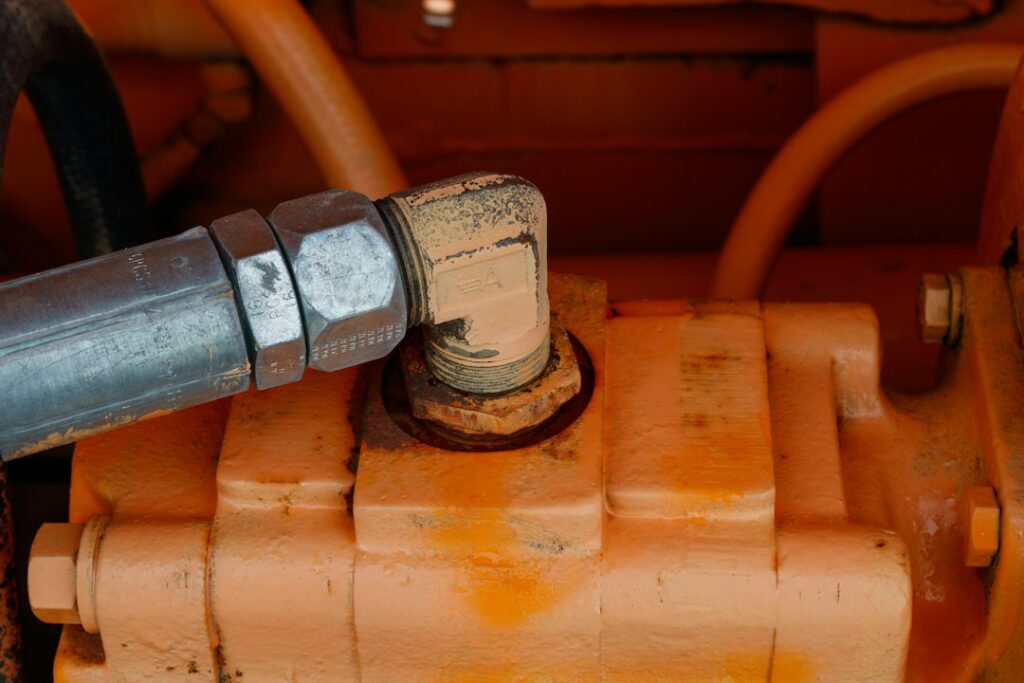
Hydraulic seals are small components with a major role: they keep pressurized fluid inside a cylinder, pump, valve, or motor while preventing dirt, air, and moisture from entering. As seals age, the first signs may be subtle, such as a thin film of oil or slightly slower equipment movement. Recognizing those signs early can help prevent contamination, loss of pressure, and damage to more expensive hydraulic parts.
What does a worn hydraulic seal look like?
A worn hydraulic seal often appears as fluid leakage, a polished or damaged sealing surface, or a seal that has become hard, swollen, cracked, or misshapen. The visible condition depends on where the seal is installed and what type of equipment is involved.
Common physical signs include:
- Oil collecting around a cylinder rod, shaft, fitting, or valve body
- A wet ring forming after the machine has been used
- Cracks, splits, cuts, or flattened edges on a removed seal
- A seal that feels unusually hard and brittle
- A seal that is soft, swollen, sticky, or distorted
- Dark wear marks on the rod or bore near the sealing area
- Small pieces of rubber or plastic found in a hydraulic filter
A small amount of fluid on the outside of a hydraulic component does not always identify the exact failed seal. Oil may travel along a rod, hose, frame, or housing before dripping, so the highest point of visible leakage is not necessarily the source.
Which operating symptoms suggest seal failure?
Equipment may continue to function after a seal begins wearing, but performance usually changes. Hydraulic pressure can escape past an internal seal even when there is little or no external leakage.
Typical symptoms include:
- A cylinder moves more slowly than usual
- A load gradually lowers while the control valve is in a neutral position
- The machine struggles to hold pressure
- A hydraulic actuator creeps, jerks, or moves unevenly
- The pump runs more often than it normally does
- The system becomes unusually warm during ordinary operation
- A control function works briefly and then weakens
- The hydraulic fluid appears foamy or aerated
Internal bypass is especially important to recognize. For example, a cylinder may extend normally with no visible oil around the rod, yet slowly retract under load because fluid is passing across the piston seal inside the cylinder.
A change in performance does not prove that a seal is worn. A clogged filter, failing pump, damaged valve, restricted hose, low fluid level, or trapped air can create similar symptoms. Seal inspection is most useful when combined with pressure and flow testing.
How can external leakage be checked safely?
External leakage should be checked with the equipment shut down, depressurized, and cool enough to inspect safely. Never use a bare hand to search for a hydraulic leak. Pressurized fluid can penetrate skin through a pinhole and cause a serious medical emergency, even when the leak looks minor.
A safer basic inspection involves:
1. Park the equipment on a stable surface.
2. Lower supported loads and block or secure moving parts.
3. Shut off the power source.
4. Relieve stored hydraulic pressure according to the equipment instructions.
5. Clean the area around the suspected component.
6. Inspect with a flashlight, cardboard, or a clean piece of paper held near—not against—the suspected leak.
7. Look for fresh fluid after a controlled test only if the equipment can be operated safely.
A wet cylinder rod is a common warning sign. A light oil film may result from normal lubrication on some equipment, but repeated wetness, dripping, or a growing ring of fluid usually indicates that the rod seal, wiper, or another cylinder seal needs attention.
In coastal areas and communities with humid weather, exposed metal surfaces may also develop corrosion. Rust or pitting on a cylinder rod can damage a new seal quickly, so the rod condition should be considered along with the seal itself.
What is the difference between normal seepage and a serious leak?
A slight film of fluid is not automatically proof of immediate seal failure, but repeated seepage should not be ignored. The more useful question is whether the amount is increasing and whether system performance has changed.
A condition deserves prompt attention when:
- Fluid forms drops while the system is operating
- A puddle appears beneath the equipment
- The hydraulic reservoir level falls noticeably
- The machine loses lifting or holding ability
- A load drifts downward unexpectedly
- Oil reaches brakes, tires, electrical components, or walking surfaces
- The fluid becomes hot, cloudy, foamy, or contaminated

Hydraulic oil on a floor, driveway, garage surface, or work area also creates a slipping hazard. Absorbent material can help contain a small spill, but contaminated material should be handled according to local waste requirements rather than washed into a drain or onto soil.
Why do hydraulic seals wear out?
Hydraulic seals wear through a combination of age, movement, pressure, heat, contamination, and installation conditions. Normal friction gradually removes material from the sealing lip. Harsh conditions can accelerate that process.
Frequent causes include:
- Dirt or metal particles entering the hydraulic system
- A scratched, bent, or corroded rod
- Excessive pressure or pressure spikes
- Fluid temperatures outside the seal’s intended range
- Incompatible hydraulic fluid or cleaning chemicals
- Incorrect seal size or material
- Twisting or cutting during installation
- Misalignment between a rod, piston, and cylinder bore
- Long periods of storage followed by sudden heavy use
Seasonal use can expose equipment to different stresses. Machinery that sits unused for part of the year may develop hardened seals, surface corrosion, or dried residue. Equipment used heavily during warmer months may experience greater heat and fluid expansion, which can reveal a seal problem that was not obvious during light use.
Can a hydraulic seal be inspected without removing it?
Some problems can be identified without disassembly, but a complete inspection usually requires removing the relevant component or opening the cylinder, valve, pump, or motor. External checks can reveal leakage patterns and operating symptoms, while internal wear may remain hidden.
A pressure test may help distinguish a leaking seal from a pump or valve problem. A flow test can show whether a hydraulic motor or pump is delivering the expected amount of fluid. These tests should follow the equipment manufacturer’s procedures because incorrect test connections or pressure exposure can create serious hazards.
If a seal is removed, compare it with a new seal of the correct specification. A damaged seal may show a single obvious cut, but the underlying cause may be a rough rod, contamination, excessive pressure, or incorrect installation. Replacing the seal without addressing that cause often results in another leak.
What should be done after worn seals are found?
The hydraulic fluid and surrounding parts should be checked before installing replacement seals. Any contamination should be identified, and the rod, bore, grooves, retaining hardware, filters, and nearby hoses should be examined for damage.
The replacement seal must match the equipment’s dimensions, pressure range, temperature range, fluid type, and movement. A seal that fits physically may still be unsuitable for the application.
Work should stop if the system contains stored pressure, supports a raised load, has damaged structural parts, or shows a high-pressure leak. Hydraulic components can release energy suddenly, and safe isolation is more than simply turning off an engine or electric motor.
For local residents maintaining tractors, lifts, compact equipment, marine-related machinery, or household hydraulic systems, early inspection is usually easier than dealing with contaminated fluid, a failed cylinder, or an uncontrolled load. A recurring leak is a mechanical warning—not merely a cosmetic nuisance—and should be evaluated before normal operation continues.