

 See My Latest Article on HelloNation
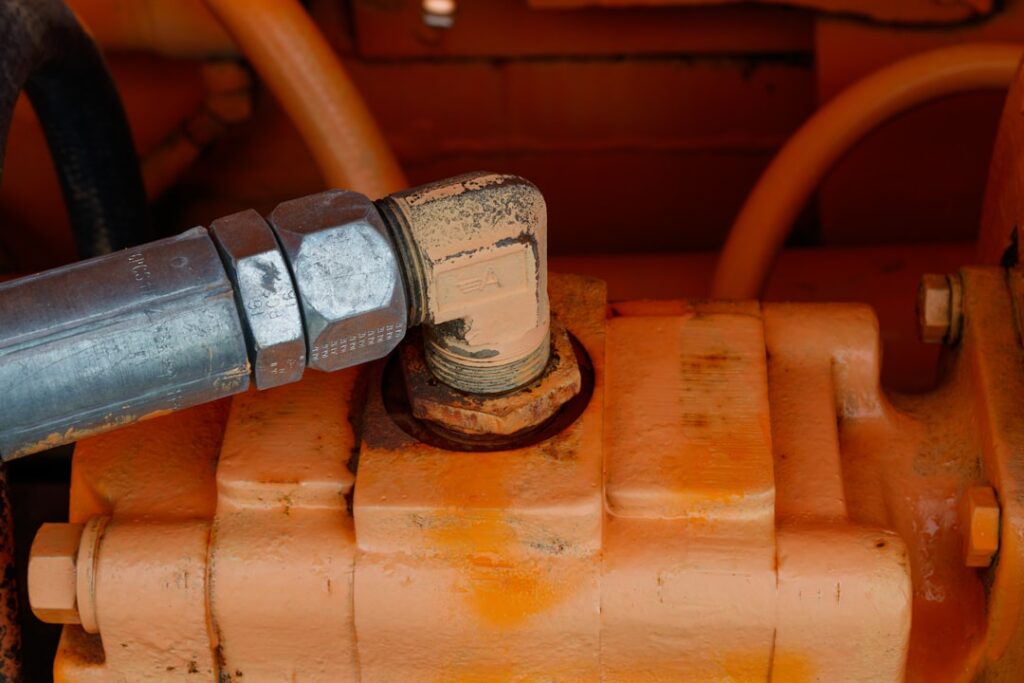
A hydraulic leak that leaves only a few drops on the floor may seem harmless, especially if equipment still operates normally. In practice, even a minor leak can signal a developing seal, hose, fitting, or component problem that may become more expensive, less safe, and harder to diagnose over time.
For households and property owners in Islip, NY, this issue can arise in equipment such as vehicle lifts, compact tractors, snow-removal attachments, log splitters, trailers, pressure systems, and other machinery that uses pressurized fluid.
Why can a small hydraulic leak become a larger problem?
A small leak often indicates that hydraulic fluid is escaping through a weakened point. The opening may be caused by a worn seal, loose connection, damaged hose, corrosion, vibration, or excessive system pressure. Continued operation can enlarge that weak point.
Hydraulic systems depend on a specific amount of clean fluid to maintain pressure and move components correctly. As fluid escapes, the pump may draw in air or operate with an inadequate supply. That can lead to:
- Slower movement
- Jerky or uneven operation
- Loss of lifting force
- Unusual pump noise
- Increased heat
- Greater wear on valves, cylinders, and pumps
A leak may remain visually small while causing internal damage. The amount of fluid on the ground does not always reflect the seriousness of the underlying fault.
Is a hydraulic leak dangerous if the equipment still works?
Yes. Equipment can continue operating even when a leak has already created a safety risk. Hydraulic pressure may be high enough to force fluid through a very small opening. A stream that is difficult to see can penetrate skin and cause a serious medical emergency.
Never check for a suspected leak with a bare hand. Fluid should not be traced by touch, and clothing or gloves may not provide reliable protection against injection injuries. A piece of cardboard or another safe inspection method can help identify the general location while the system is shut down and depressurized.
Other hazards include:
- Unexpected lowering of a raised load
- Loss of steering or braking assistance in some systems
- Slipping on fluid near the equipment
- Fire risk if fluid reaches a hot surface
- Sudden hose rupture during operation
- Moving parts behaving unpredictably
A hydraulic cylinder supporting a load can lose pressure without much warning. Mechanical supports or approved blocking methods should be used whenever work requires a person to be beneath or near a raised component.
How does ignoring a leak damage hydraulic equipment?
Hydraulic systems are designed to operate within controlled pressure, temperature, and fluid-level ranges. A leak can disturb all three.
When fluid levels fall, the pump may work harder or draw in air. Air in the system can cause foaming, vibration, noisy operation, and inconsistent movement. These conditions may damage pump components and make the equipment less responsive.
Leaking fluid can also allow dirt and moisture to enter through a damaged seal or loose connection. Contaminated fluid may wear internal surfaces, clog small valve passages, and reduce the service life of precision components. A small hose or fitting problem can therefore contribute to damage throughout the system.
Replacing a seal or tightening a properly accessible fitting is generally less involved than repairing a damaged pump, cylinder, or control valve. The exact repair depends on the source of the leak and the equipment manufacturer’s specifications.
What are the environmental concerns?
Hydraulic fluid should be treated as a pollutant, even when the amount appears minor. Rain can carry spilled fluid from a driveway, work area, or outdoor storage location into soil, drainage structures, or nearby waterways.
This matters in a coastal community where seasonal rain, storms, and runoff can move contaminants quickly. Fluid tracked indoors can also spread across garage floors, walkways, and household surfaces.
Absorbent material can be used to contain a small spill, but contaminated absorbents should not be placed casually in regular household trash or washed into a drain. Disposal requirements may vary based on the fluid type and the amount released. Local waste-handling guidance should be checked for the appropriate method.
Do not use water to hose hydraulic fluid into a street, drain, yard, or other outdoor area. That spreads the contamination instead of removing it.
Why are seasonal conditions relevant?
Temperature changes affect hydraulic fluid thickness and system performance. Cold weather can make fluid more viscous, increasing startup strain and exposing weak seals or connections. Warm weather can reduce fluid viscosity and increase the chance that a marginal seal will seep more noticeably.
Winter moisture and road-treatment residues may also contribute to corrosion on outdoor equipment. In spring, machinery that has been stored for months may show leaks when seals dry, hoses age, or pressure is restored.
Before seasonal use, a basic inspection can identify:
- Wet fittings or hose ends
- Cracked, blistered, or stiff hoses
- Fluid beneath cylinders or pumps
- Low reservoir levels
- Damaged guards
- New stains on storage surfaces
- Unusual noises during initial operation

Inspection should be performed with the equipment off, secured, and cool enough to examine safely.
Can a hydraulic leak be temporarily patched?
Temporary measures should not be treated as a dependable repair. Tape, sealants, clamps, or makeshift plugs may fail under hydraulic pressure and can create a sudden release. They may also conceal the leak while allowing internal damage to continue.
A hose that is cracked, abraded, swollen, or damaged near a fitting generally requires proper replacement rather than trimming or covering the affected section. Fittings and seals must match the system’s pressure rating, fluid type, thread design, and temperature requirements.
Hydraulic components should never be substituted based only on appearance. A part that fits physically may not be rated for the pressure or operating conditions involved.
What should residents do after noticing a minor leak?
First, stop using the equipment if continued operation could create a safety hazard, worsen the leak, or expose anyone to pressurized fluid. Lower suspended loads safely when possible, shut down the power source, and allow pressure to dissipate according to the equipment instructions.
Then:
- Keep children, pets, and bystanders away.
- Do not touch suspected fluid with bare skin.
- Place absorbent material around, not directly on, moving components.
- Record where the leak appears and whether it occurs only under pressure.
- Check the fluid level only according to the equipment instructions.
- Avoid mixing fluids unless the manufacturer specifically permits it.
- Clean contaminated walking surfaces to reduce slip hazards.
- Treat any injection injury as an emergency, even if the wound looks minor.
If fluid enters the skin, urgent medical evaluation is necessary. The puncture may be tiny while the internal tissue damage is extensive.
Which leaks require immediate attention?
A leak deserves prompt attention when it is near a person, hot engine part, electrical component, brake or steering system, raised load, or moving linkage. Immediate shutdown is also appropriate when a hose is visibly damaged, fluid sprays under pressure, the reservoir level drops quickly, or the equipment begins moving unpredictably.
A slow drip should not be ignored simply because the machine remains usable. Documenting the location, fluid color, operating conditions, and frequency of the leak can help identify whether the source is a hose, seal, fitting, cylinder, pump, or reservoir.
Early attention protects the equipment, reduces fluid loss, limits contamination, and lowers the chance that a manageable fault will become a sudden failure.