

 See My Latest Article on HelloNation
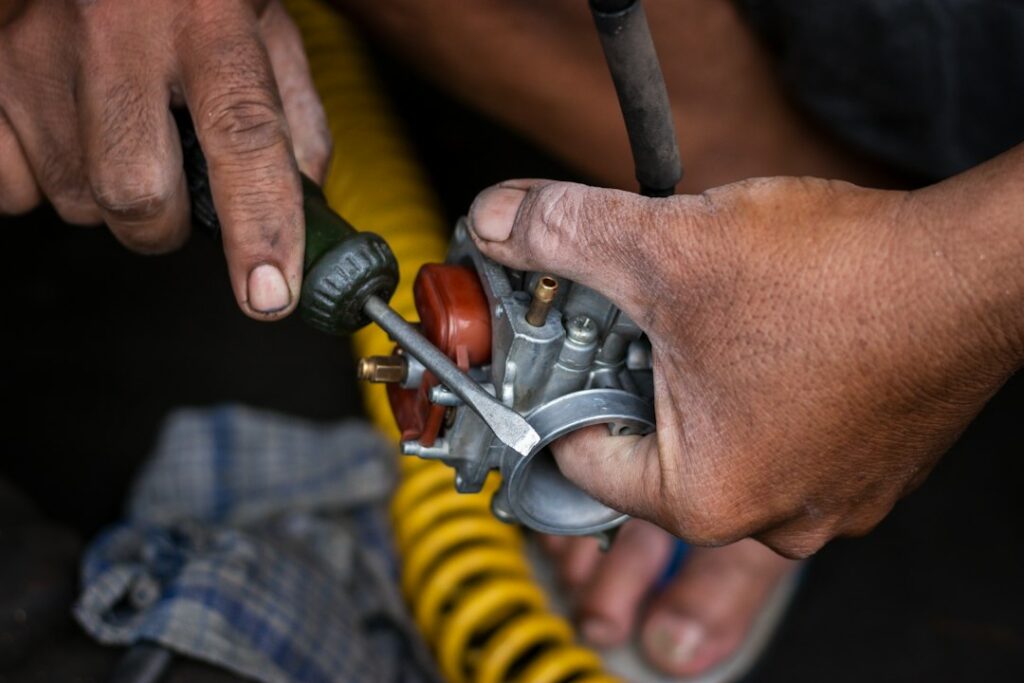
Hydraulic systems use pressurized fluid to move, lift, steer, clamp, or power equipment. Repairs can involve anything from replacing a worn hose to diagnosing a slow-moving cylinder. The right tools improve accuracy and reduce the risk of leaks, contamination, and accidental pressure release.
For residents of Islip, NY, hydraulic equipment may appear in landscaping machinery, trailers, lifts, compact construction equipment, marine applications, and older household or property-maintenance systems. Salt air, winter moisture, muddy work areas, and seasonal outdoor use can make inspection and tool selection especially important.
Which basic hand tools are needed for hydraulic repairs?
Most routine hydraulic repairs begin with quality hand tools, not specialized machinery. The basic set should include properly sized combination wrenches, sockets, adjustable wrenches, hex keys, screwdrivers, pliers, and a torque wrench.
Hydraulic fittings are often made from steel, stainless steel, brass, or plated alloys. Using the wrong size wrench can round the fitting and make removal more difficult. Adjustable wrenches are useful for holding a part steady, but they should not replace correctly sized tools for high-torque fittings.
Helpful hand tools include:
- Open-end and flare-nut wrenches for hydraulic fittings
- Deep sockets for fittings located on valves or cylinders
- Torque wrenches for tightening connections to specification
- Picks and small hooks for removing seals and O-rings
- Soft-faced hammers for freeing parts without damaging machined surfaces
- Internal and external snap-ring pliers
- A sturdy drain pan for collecting hydraulic fluid
- Clean plugs or caps for temporarily sealing open hoses and ports
A torque wrench matters because both over-tightening and under-tightening can cause problems. Excessive force may damage threads, crack a valve body, or deform a fitting. Too little force may allow leakage or vibration-related loosening.
What tools help identify a hydraulic problem?
A pressure gauge is one of the most useful diagnostic tools. It can show whether a pump, valve, or circuit is producing the pressure expected for that system. A gauge must have the correct pressure range and connection type. A gauge rated far above the working pressure may be difficult to read accurately, while one rated too low can be dangerous.
A test-point kit can make troubleshooting easier. These kits may include hoses, adapters, quick-connect fittings, and gauges that can be attached at different parts of a circuit. Testing pressure at more than one location can help distinguish between a pump issue, a restricted filter, a relief-valve problem, or an internal cylinder leak.
Other useful diagnostic tools include:
- A clean container for checking fluid condition
- A flashlight for spotting seepage around fittings and seals
- A straightedge for checking bent rods or mounting surfaces
- A thermometer or infrared temperature tool for identifying abnormal heat
- A flow meter for testing hydraulic flow when speed or performance is inconsistent
- A multimeter for electrically controlled valves, switches, and solenoids
A pressure gauge does not automatically reveal the cause of a failure. For example, low pressure may result from a worn pump, a misadjusted relief valve, low fluid level, air entering the suction line, or a restriction elsewhere in the circuit. Testing should follow the equipment’s service instructions rather than relying on a single reading.
Why are hose and seal tools important?
Hydraulic hoses and seals are frequent failure points because they experience pressure, movement, vibration, temperature changes, and contact with dirt or moisture. Hose-removal tools, seal picks, replacement O-ring tools, and proper measuring tools can prevent damage during repair.
A hose should be measured by inside diameter, outside diameter, length, pressure rating, temperature rating, and connection type. Matching only the visible end fitting is not enough. A hose that looks similar may have an unsuitable pressure rating or may not tolerate the fluid being used.
Seal-related tools should have smooth edges. A sharp screwdriver or metal pick can scratch a sealing groove or cylinder surface. Even a small scratch may create a path for fluid to escape. Plastic or rounded seal picks are often safer for removing O-rings and wiper seals.
Do not reuse damaged crush washers, flattened seals, cut O-rings, or fittings with visibly damaged sealing surfaces. Hydraulic leaks are not always caused by loose fittings; seals can harden, swell, flatten, or deteriorate from age or incompatible fluid.
What cleaning and contamination-control tools are necessary?
Cleanliness is not optional in hydraulic work. Small particles can damage pumps, stick valves, score cylinders, and shorten the life of seals. A clean work surface, lint-free towels, parts trays, fluid-safe brushes, and protective caps are among the most valuable supplies in a repair area.
Before opening a hydraulic connection, clean the area around it. After removing a hose or component, cap both the open line and the exposed port. Do not use shop rags that shed threads or leave lint inside a fitting.
Useful contamination-control supplies include:
- Lint-free wipes
- Clean plastic or rubber caps and plugs
- Parts-cleaning trays
- A dedicated funnel for hydraulic fluid
- Fluid-compatible cleaning solvent
- A filter cart or portable filtration unit for larger reservoirs
- A clean transfer pump
- Labels for identifying hoses and components

Mixing fluids can create compatibility problems. The replacement fluid should match the equipment instructions, and containers used for other oils, solvents, or fuels should not be reused for hydraulic fluid.
Which tools improve safety during a repair?
Safety tools are part of the repair setup, not an afterthought. Hydraulic fluid can be injected through the skin by a pinhole leak, and a raised load can fall if it is supported only by hydraulic pressure.
Essential protective equipment includes safety glasses, fluid-resistant gloves, sturdy footwear, and clothing that covers exposed skin. A face shield may be appropriate when disconnecting pressurized components or working near an accumulator.
Before loosening a connection:
- Shut down the power source.
- Lower suspended equipment to a stable position.
- Block or mechanically support parts that could move.
- Relieve system pressure according to the equipment instructions.
- Allow hot components and fluid to cool.
- Keep hands away from suspected leaks; use cardboard or wood to locate escaping fluid.
Never use a hand to search for a hydraulic leak. A fine spray may be difficult to see but can penetrate skin. Any suspected injection injury requires urgent medical evaluation, even if the wound appears minor.
Are specialty tools always required?
No. Many inspections and simple hose or seal replacements can be completed with ordinary tools, provided the system is fully depressurized and the correct replacement parts are available. Specialty tools become more important when the repair involves high-pressure testing, cylinder disassembly, precision measurements, valve adjustment, or component rebuilding.
A vise with soft jaws can hold parts without marking them. A hydraulic hose assembly machine, pressure test stand, or seal installation cone may be appropriate for specialized repair work, but these tools require training and equipment-specific procedures.
A common misconception is that more force solves a stubborn hydraulic fitting. Corrosion, cross-threading, trapped pressure, or an incorrect fitting may be the actual cause. Penetrating fluid, careful cleaning, heat control, or component replacement may be safer than applying excessive torque.
How should tools be stored after hydraulic work?
Tools should be cleaned before storage, especially after contact with saltwater, muddy runoff, or hydraulic fluid. In coastal conditions and damp storage areas, untreated steel tools can develop surface corrosion quickly. Wipe tools dry, inspect cutting edges and jaws, and store gauges with their ports protected.
Keep hydraulic test equipment separate from general automotive or plumbing tools when possible. Label adapters and gauges by pressure range and connection type. Replace cracked gauge lenses, damaged hoses, bent fittings, and worn wrench jaws before the next repair.
A well-organized tool set does more than save time. It helps prevent contamination, reduces damage to fittings, and encourages a methodical approach to diagnosis rather than replacing parts without confirming the cause.