

 See My Latest Article on HelloNation
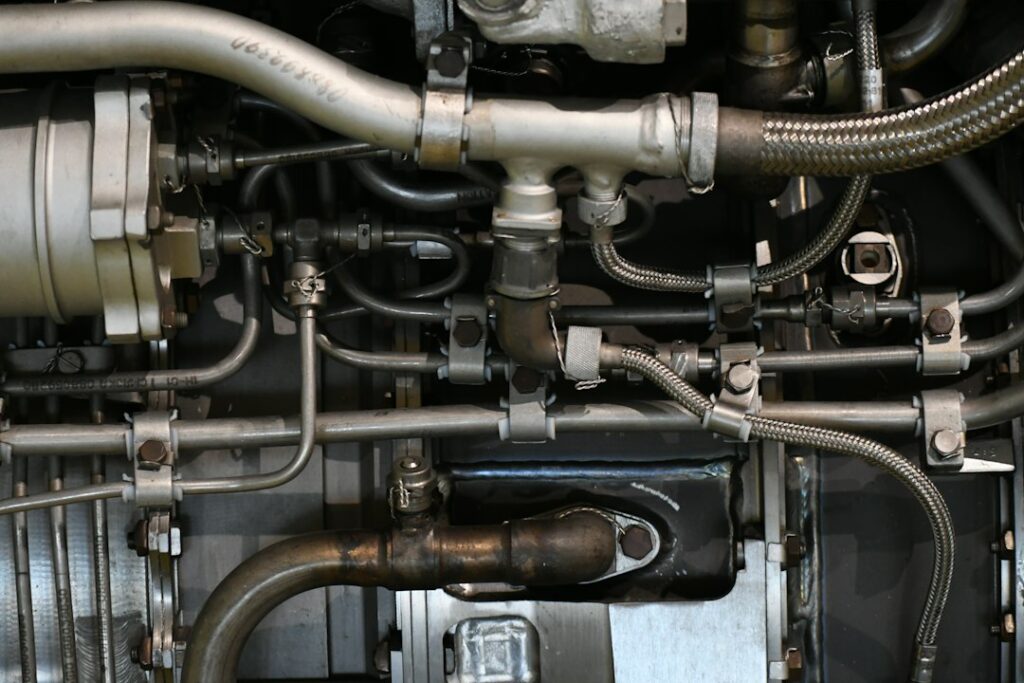
What is a hydraulic power unit?
A hydraulic power unit, often called an HPU, is the part of a hydraulic system that creates, controls, and supplies pressurized fluid. It usually combines a motor, pump, reservoir, valves, filters, and monitoring devices into one assembly.
The power unit does not usually perform the physical movement by itself. Instead, it sends hydraulic fluid through hoses or rigid lines to an actuator, such as a hydraulic cylinder or hydraulic motor. The actuator then converts fluid power into movement, lifting, pushing, pulling, clamping, rotating, or holding a load.
Hydraulic power units may be found in equipment used for lifting, compacting, steering, material handling, accessibility systems, marine applications, industrial machinery, and certain residential or commercial systems.
How does a hydraulic power unit work?
A hydraulic power unit works by converting mechanical energy into hydraulic energy and directing that energy to a machine component.
The basic operating sequence is:
- An electric motor or engine turns the hydraulic pump.
- The pump draws fluid from the reservoir.
- The pump moves the fluid into the pressure side of the system.
- Valves direct the fluid toward the appropriate actuator.
- Pressurized fluid moves a cylinder or hydraulic motor.
- Fluid leaving the actuator returns to the reservoir, where the cycle begins again.
The pump produces flow. System resistance creates pressure. This distinction helps explain many hydraulic problems. A pump can move fluid while producing little pressure if there is minimal resistance. Pressure rises when the fluid encounters a load, a restricted passage, a closed valve, or another form of resistance.
For example, if a cylinder is lifting a heavy platform, the pump supplies flow and the load resists movement. The pressure required to move the platform depends on the load, cylinder size, mechanical arrangement, and system losses.
What are the main parts of an HPU?
Although designs vary, most hydraulic power units contain several core components.
Reservoir
The reservoir stores hydraulic fluid between operating cycles. It also gives the fluid space to release trapped air, allows contaminants to settle, and helps dissipate heat.
A reservoir may include a drain, sight gauge, fill opening, breather, temperature indicator, and suction connection. A low fluid level can allow air to enter the pump inlet, causing noise, foaming, erratic movement, and accelerated wear.
Hydraulic pump
The pump moves fluid from the reservoir into the hydraulic circuit. Common pump types include gear pumps, vane pumps, piston pumps, and specialized compact pumps.
The pump is driven by an electric motor, gasoline engine, diesel engine, or another mechanical power source. The correct pump depends on the required flow rate, operating pressure, duty cycle, noise level, and available power.
Drive motor
The motor supplies the mechanical energy that turns the pump. Electric motors are common in fixed equipment, while combustion engines may be used where electrical power is unavailable or where the equipment must remain mobile.
Motor problems can appear as slow operation, tripped breakers, overheating, unusual noise, or failure to start. Electrical faults should be treated seriously, especially in damp utility areas or outdoor equipment.
Valves
Valves control where the fluid goes and how the system behaves. A directional valve may extend or retract a cylinder. A pressure-control valve may limit maximum pressure. A flow-control valve may regulate movement speed.
Check valves can prevent fluid from flowing backward, while counterbalance valves may help control suspended loads. A valve that sticks, leaks internally, or is adjusted incorrectly can cause symptoms that resemble pump failure.
Filters and strainers
Filters remove particles from the fluid. A suction strainer protects the pump inlet, while return-line or pressure-line filters remove contamination from other parts of the circuit.
A restricted filter can reduce flow and increase heat. Filter condition should be evaluated according to the equipment manual rather than by appearance alone, since a filter may look clean while still being unsuitable or overloaded.
Relief valve
The relief valve is a critical protective device. If pressure rises above its setting, the valve opens and routes fluid back to the reservoir or another safe path.
The relief valve should never be adjusted casually. Increasing the setting may create more apparent force, but it can also exceed the safe working pressure of hoses, cylinders, fittings, and structural components.
What is the difference between an HPU and a hydraulic pump?
A hydraulic pump is one component. A hydraulic power unit is a complete power-supply assembly that includes the pump and the components needed to operate and protect the hydraulic circuit.
A pump by itself may not include a reservoir, motor, relief valve, filtration, controls, or instrumentation. An HPU brings these elements together so the system can be powered and managed as a coordinated unit.
Some compact units place the pump and motor directly on top of the reservoir. Larger units may use separate motors, multiple pumps, coolers, accumulators, control manifolds, and electronic monitoring equipment.
Where are hydraulic power units used?
HPUs are used wherever controlled force or motion is needed. Examples include:
- Vehicle lifts and loading systems
- Compactors and waste-handling equipment
- Dock equipment and material lifts
- Industrial presses and forming machinery
- Hydraulic gates and platforms
- Wheelchair and accessibility lifts
- Agricultural and landscaping equipment
- Marine and outdoor mechanical systems
- Emergency or backup machinery

In a home or small property, a hydraulic power unit may be present in a lift, compact utility machine, workshop equipment, or specialized outdoor system without being immediately obvious.
What problems commonly affect hydraulic power units?
Common symptoms include slow movement, weak force, overheating, unusual pump noise, fluid leakage, jerky actuator movement, and failure to build pressure.
Possible causes include:
- Low or contaminated hydraulic fluid
- A clogged filter or suction strainer
- Air entering through a loose inlet connection
- A worn pump
- A relief valve set too low or stuck open
- A damaged hose or fitting
- A malfunctioning directional valve
- An undersized motor or inadequate electrical supply
- Internal leakage in a cylinder or hydraulic motor
Troubleshooting should begin with basic observations: fluid level, visible leaks, unusual sounds, temperature, filter indicators, electrical protection devices, and whether the problem affects the entire system or only one function.
A pump that becomes suddenly loud may be suffering from cavitation, which occurs when it cannot receive enough fluid at its inlet. Continuing to run the unit in that condition can damage internal pump surfaces.
How do seasonal conditions affect an HPU in Islip?
Hydraulic equipment used in Islip may experience cold winter starts, damp conditions, salt exposure, and wide temperature changes between seasons. Cold fluid becomes more resistant to flow, which can make a system start slowly and place extra demand on the motor and pump.
Allowing the unit to warm gradually may help, but repeatedly operating with unsuitable fluid viscosity can shorten component life. The fluid specified by the equipment manufacturer should be used rather than choosing a product based only on a generic oil description.
Moisture and condensation can also affect reservoirs, electrical connections, and fittings. Outdoor units benefit from intact breathers, secure covers, clean electrical enclosures, and inspection for corrosion. Salt or damp residue around fittings should not be ignored, particularly when a leak or loose connection is suspected.
What safety precautions apply?
Hydraulic fluid can be injected through the skin under high pressure, creating a medical emergency even when a puncture appears minor. Never use a hand to search for a leak. A piece of cardboard or another safe inspection method is more appropriate, followed by proper shutdown and depressurization.
Before inspecting or servicing an HPU:
- Follow the equipment’s lockout and shutdown procedure.
- Block or mechanically support raised loads.
- Relieve stored hydraulic pressure.
- Keep hands and clothing away from moving parts.
- Wear suitable eye and hand protection.
- Do not tighten or remove pressurized fittings.
- Use only components rated for the system’s pressure and fluid.
Hydraulic power units are compact, but they can store substantial mechanical and fluid energy. Understanding how the reservoir, pump, valves, and actuator work together makes unusual noises, leaks, slow movement, and overheating easier to recognize before a minor fault becomes equipment damage or a safety hazard.